


For years, the hotel business has been built around a simple cycle: check-in, check-out, repeat. Fill the room, turn it over, and move on to the next guest. It’s a system that’s worked, and one that still defines much of South Africa’s (SA) hospitality sector today.
But that rhythm doesn’t work for everyone anymore.
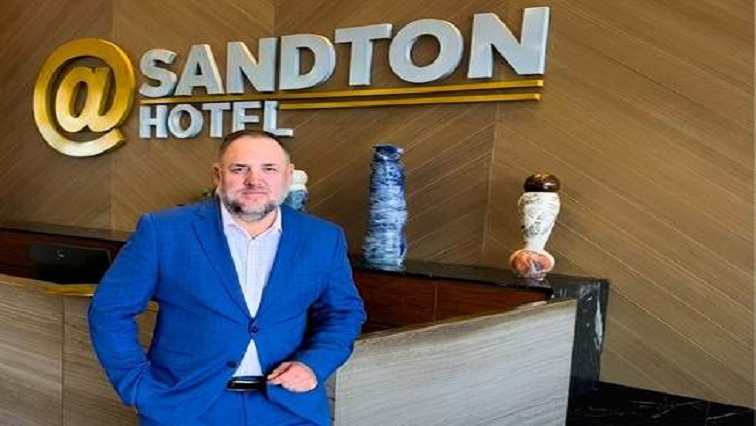
“There’s a growing segment of guests that the traditional model just doesn’t serve,” says Anthony Batistich, General Manager @Sandton Hotel. And it’s not a small group.
SA is quietly becoming a long-stay destination. The introduction of the Digital Nomad Visa in 2025 opened the door to remote workers who can now live in the country for up to three years while earning abroad. In Cape Town alone, that market is expected to pump billions into the local economy in the next few years.
But these aren’t typical tourists ticking off attractions and moving on.
“They’re not here for a weekend,” Batistich explains. “They need somewhere that actually works as a home, somewhere they can live and work for months at a time.”
And that’s where the disconnect starts to show.
Even the best hotel room isn’t designed for everyday living. There’s only so long you can function out of a suitcase, eat takeaway meals, and try to work from a small desk or your bed.
The same pattern is playing out in the corporate space. More companies are sending employees on longer assignments across the continent, bringing a steady flow of professionals into cities like Johannesburg and Durban.
“They’re looking for stability,” Batistich says. “Not just a place to sleep, but a place to settle into.”
The demand is there. What’s missing is an offering that actually matches it.
Globally, the industry has already started to shift. Extended-stay accommodation, spaces designed for longer, more comfortable livin, has become one of the fastest-growing segments in hospitality. In markets like North America and Europe, it’s no longer a niche. It’s a core part of how hotels operate.
SA, though, has been slower to adapt.
Part of the issue comes down to how hotels think about revenue. When your focus is on nightly rates and quick turnover, longer stays can feel like you’re leaving money on the table.
But Batistich argues that’s the wrong way to look at it. “It’s not about discounting rooms,” he says. “It’s about creating a product that people actually want to stay in for longer, and pricing it properly.”
That product looks different. It means proper workspaces, reliable high-speed internet, and simple things like being able to cook a meal. It means designing rooms, or entire spaces, that feel liveable, not temporary.
And it can’t be done halfway.
“You can’t just tweak your rates and call it extended stay,” he says. “It has to be built into the experience from the start.”
There are signs that the opportunity is being recognised. Government has already flagged long-stay travel and remote work as key growth areas for the sector. But on the ground, the shift is still slow.
For Batistich, the gap is clear. “The demand is here. The policy is there,” he says. “What’s missing is the industry stepping up in a meaningful way.”
For hotels that do, the payoff could be significant, more consistent occupancy, lower turnover costs, and guests who stick around longer than a single booking.
After a few tough years, SA’s hospitality industry has proven it can weather a storm. The question now is whether it can adapt to what travellers actually need next.
–ChannelAfrica–


