


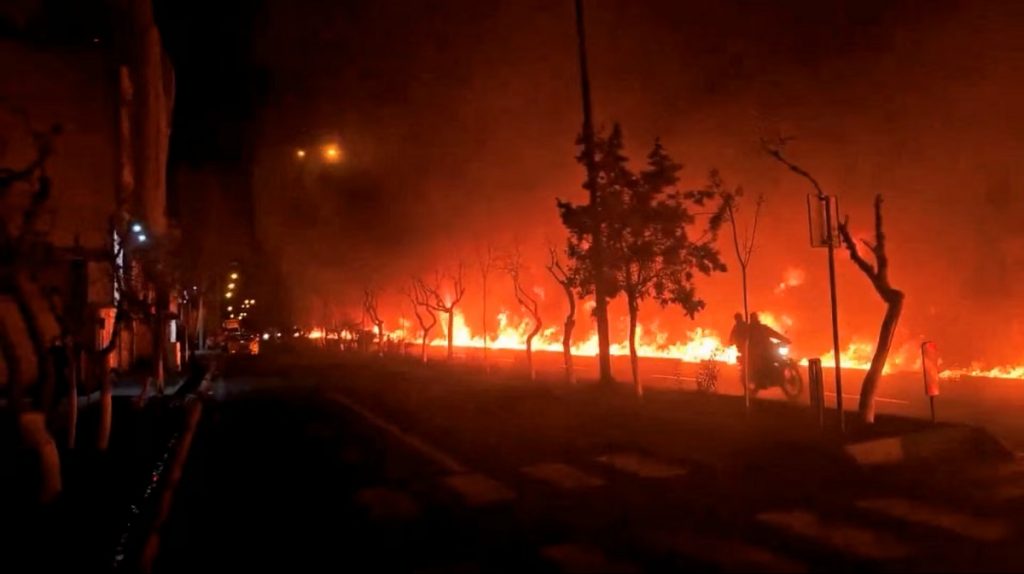
Lebanese authorities report that more than 2 000 people have been killed since early March, as the conflict widens and regional uncertainty persists, including over the strategically vital Strait of Hormuz.
Independent experts appointed by the United Nations (UN) Human Rights Council have issued a strong condemnation of Israel’s latest offensive in Lebanon, describing it as illegal aggression and an indiscriminate bombing campaign. The experts said the strikes began only hours after Pakistan brokered a ceasefire agreement between the United States (US) and Iran, a timing they described as deeply alarming.
“We are witnessing the continuing utmost contempt for the international legal order, for diplomacy, and above all for the lives of civilians and the environment in Lebanon,” the experts said in a statement.
They added that Israel appeared to have used the US Iran ceasefire announcement “to unleash the largest coordinated wave of strikes on the country since 1980”, raising renewed concerns about civilian protection and the effectiveness of diplomatic efforts to prevent further escalation.
Meanwhile, humanitarian operations in Gaza are facing increasing strain as essential infrastructure continues to buckle under sustained pressure.
The UN agency assisting Palestinian refugees said it has been forced to reduce generator operating hours at several facilities due to the risk of mechanical failure, affecting services used by vulnerable communities, including those sheltering displaced families.
UN agencies and their partners say they require approvals to bring in spare parts and lubricants to keep generators running and prevent further disruptions to water, sanitation and basic health services.
–UN/ChannelAfrica–


