

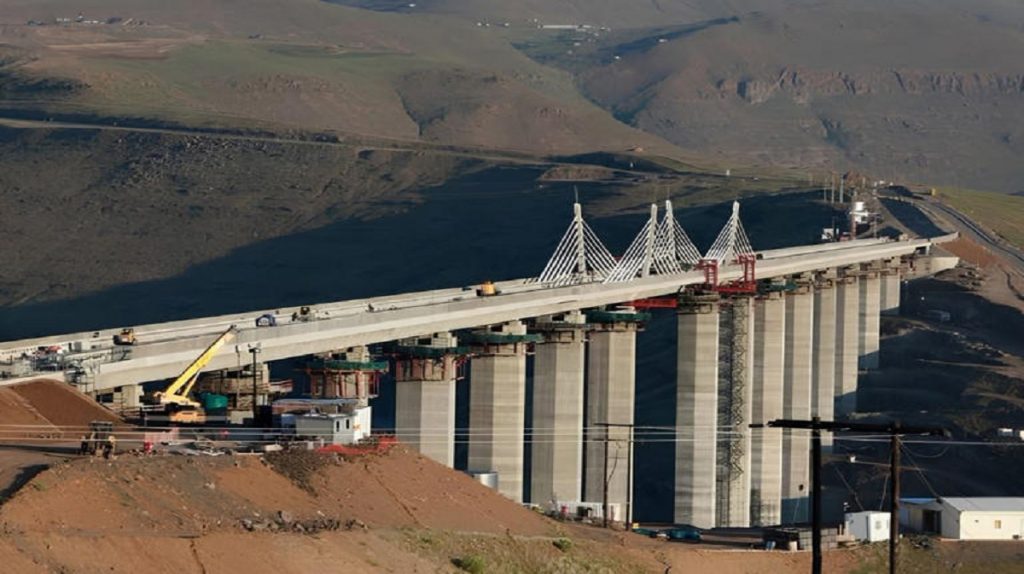
The inauguration marks a significant achievement in one of southern Africa’s most important cross‑border infrastructure initiatives and highlights the enduring partnership between SA and Lesotho. The LHWP is a multi‑phase, binational project governed by a 1986 treaty between the two countries, with Phase II formalised through a 2011 agreement.
The new Senqu Bridge replaces an older structure that will be submerged once the Polihali Dam is impounded. Its completion ensures uninterrupted access to Mokhotlong, Sani Pass and surrounding communities, safeguarding mobility and economic activity in a remote and mountainous region.
Beyond improved connectivity, Phase II of the LHWP will increase annual water transfer volumes from 780 million to 1.27 billion cubic metres, enhancing water security for SA while generating additional hydropower for Lesotho. The project also supports potable water supply, irrigation, fisheries development and tourism, contributing to broader regional economic growth.
Constructed at a cost of about $150 million, the Senqu Bridge is the largest of three major bridges being built across the future Polihali Reservoir. It stretches approximately 825 metres in length and rises 90 metres above the river, making it one of the most impressive engineering structures in the region.
Ahead of the official opening, SA’s Minister of Water and Sanitation, Pemmy Majodina and Lesotho’s Minister of Natural Resources, Mohlomi Moleko, on Monday unveiled a tunnel boring machine to be used in drilling the 38‑kilometre tunnel linking the Polihali and Katse reservoirs.
Ramaphosa will be accompanied by Minister Majodina, Deputy Minister David Mahlobo, and Deputy Minister of International Relations and Cooperation Alvin Botes.
–ChannelAfrica–





