

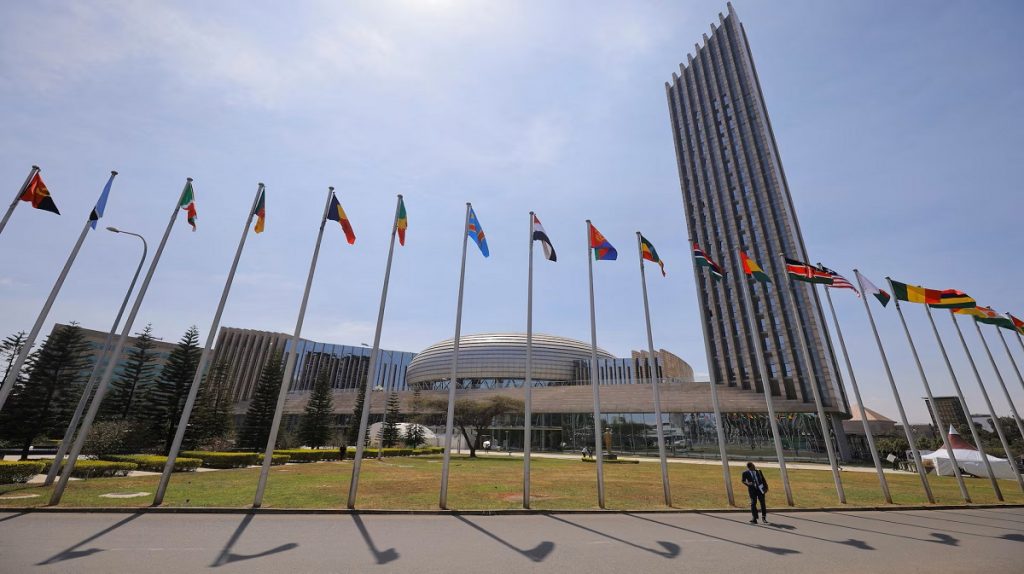
Central to this effort is the introduction of the “Seven Moonshots”, a set of bold, high‑impact priorities designed to accelerate delivery during the Second Ten‑Year Implementation Plan (2024–2033).
Agenda 2063, adopted in 2013, is the AU’s 50‑year blueprint for inclusive growth and sustainable development. While its original framework contains 20 broad goals, the Moonshots are intended to act as practical drivers, helping countries align policies, track progress more clearly and move from ambition to action.
Speaking to Channel Africa on Monday, Mwanja Ng’anjo, Co‑Founder of the Agenda 2063 Media Network and former Head of Communications at AU Development Agency‑New Partnership for Africa’s Development, said the Moonshots do not replace existing goals but serve as tactical tools to sharpen focus and coordination. “They are a way of translating strategy into action,” Ng’anjo said. “Think of the Moonshots as bold targets that help countries report better, coordinate better and accelerate implementation.”
The Moonshots cover key areas such as improving quality of life, advancing education and skills, boosting economic transformation, strengthening integration and building resilient institutions. One example is the focus on well‑educated citizens and a skills revolution underpinned by science, technology and innovation, aimed at ensuring Africa does not fall behind in a rapidly changing global economy.
Ng’anjo acknowledged that Africa continues to rely heavily on exporting raw materials, but said there is a growing political shift towards local value addition, industrialisation and regional value chains. Ng’anjo pointed to the African Continental Free Trade Area as one of Agenda 2063’s most concrete achievements to date, offering a platform to deepen intra‑African trade and reduce dependence on external markets.
However, challenges remain. Economic transformation has been among the weakest‑performing areas, with slow progress in manufacturing and job creation. Ng’anjo said political will, policy coherence and regional cooperation are essential to overcoming these barriers. “The Moonshots are both aspirational and practical,” Ng’anjo said. “They create the ambition needed to mobilise leadership while providing a framework to measure real progress.”
–ChannelAfrica–





