

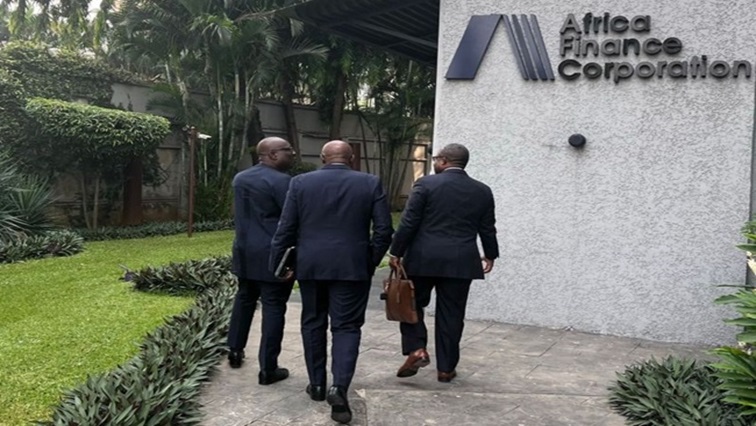
Capital held by Africa’s institutions rose by 25% last year in part because of record gold prices, and yet the continent is struggling to finance the infrastructure projects needed to create jobs, the Africa Finance Corporation (AFC) said on Thursday.
Global shocks and geopolitical shifts have made it harder for African nations to raise funds for development abroad, making it imperative states can draw on internal capital.
But that is not happening enough, according to the AFC’s annual study, the “State of Africa’s Infrastructure Report” published on Thursday at the start of a two-day meeting in Nairobi. The talks will try to secure deals for infrastructure projects in Africa.
“Capital is accumulating across Africa, but it is not creating jobs at scale,” said Samaila Zubairu, chief executive of the Lagos-based AFC. “That is the disconnect we must fix.”
He said funds focused too much on low-risk assets like government bonds that do not fully translate into productive investments and that this “failure of alignment” must be addressed.
Capital held by African institutions like development banks, sovereign wealth funds and central banks jumped to more than $2 trillion from over $1.6 trillion a year ago, the report found.
The increase in central bank reserves was partly driven by rising gold holdings, which gained value from record prices on the international market.
AFC was founded in 2007 to mobilise funds for investment in Africa’s infrastructure and industrialisation.
It is owned by 48 African states that make up 64% of its shareholding as well as the African Development Bank and Turk Exim Bank and private institutions like African pension funds.
–Reuters–





