

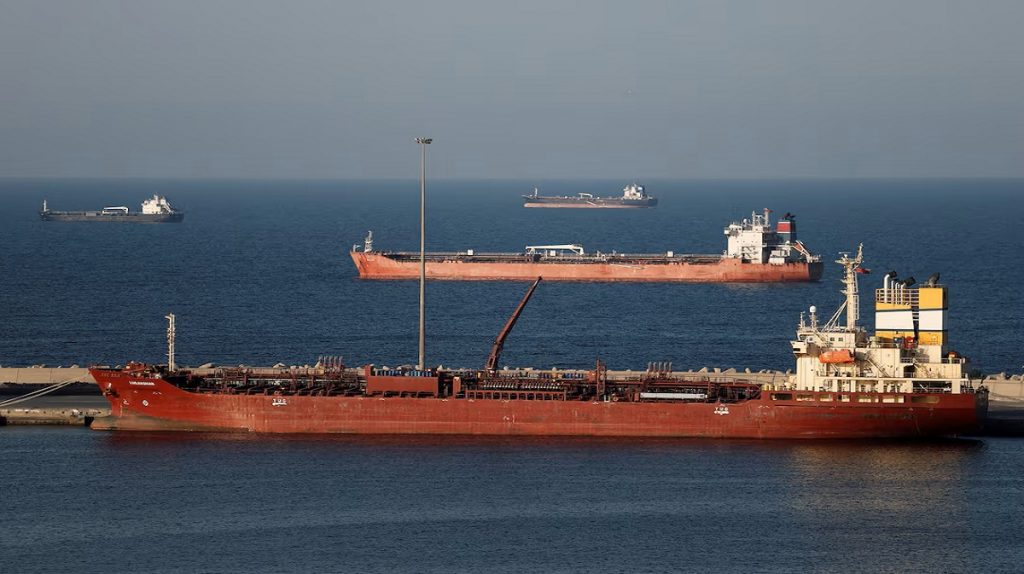
The disruption has sharpened concerns about fuel, gas availability, supply chains, and price volatility, with ripple effects already emerging well beyond the Gulf.
According to Dario Liguti from the United Nations (UN) Economic Commission for Europe (UNECE), Southeast Asia and South Asia absorbed the first blow of what is being described as the most severe energy crisis in a generation. Liguti warned that the crisis remains “unfolding”, with consumers in Europe also bracing for higher costs at the pump.
UNECE has been convening governments in Geneva and other hubs to discuss ways to reduce dependence on fossil fuels or use fossil fuels more efficiently in the short term. One underused option highlighted by UNECE is cutting methane flaring, where natural gas is burned off at oil wells, fossil fuel processing plants, or refineries. UNECE argues that methane could be captured, stored, and used when needed, lowering reliance on primary energy sources while reducing emissions.
Methane is a powerful driver of global warming, described as more than 80 times more potent than CO₂ over a 20‑year period. Liguti stressed that the present crisis signals the need to accelerate the clean energy transition, particularly through electrification of transport and heating, plus faster deployment of decentralised renewables such as wind and solar.
The economic shock is compounding humanitarian pressures in Lebanon, where ongoing clashes between Hezbollah fighters and Israel are driving fear, rising costs, disrupted supply routes, worsening food insecurity. UN-backed food security experts estimate nearly a quarter of the population faces acute hunger.
A new Infection Prevention and Control alert issued on Wednesday warned of rapid deterioration, projecting about 1.2 million people could face high levels of acute food insecurity between now and August, up from 874 000 affected in late 2025 and early 2026.
The World Food Programme said each number represents households struggling to meet food needs consistently, with assistance scaling up alongside partners.
Public services remain strained by displacement. In Jdeideh, northern Beirut, one school-turned-shelter is hosting 377 people, about 90 families, under cramped conditions. World Health Organisation support continues for hospitals, including blood bank assistance to help sustain emergency transfusions.
Aid agencies warn that the Strait of Hormuz crisis is amplifying existing vulnerabilities, pushing fragile humanitarian systems closer to the brink.
–UN/ChannelAfrica–





