

In a message issued ahead of World Press Freedom Day on May 3, Türk said normalising attacks on the media accelerates the decay of freedom, weakening the foundations of peace, security, plus sustainable development.
Türk paid tribute to journalists plus photographers documenting atrocities, exposing corruption, plus scrutinising business practices, while warning that journalism is increasingly insecure. Türk cited cases of media workers being bombed in vehicles, abducted from offices, detained, plus dismissed from jobs.
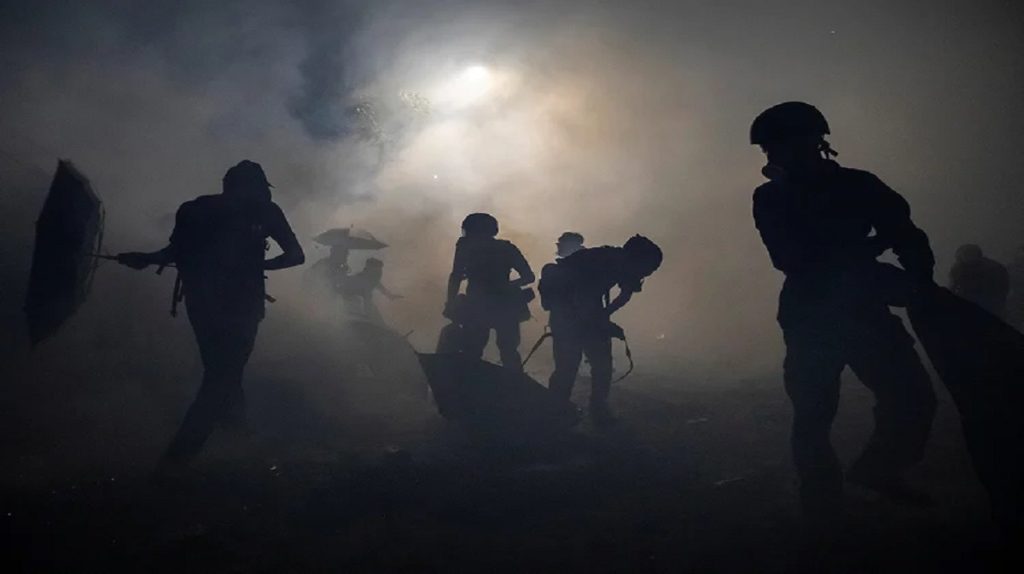
At least 14 journalists have been killed since January, according to the UN rights office. Accountability remains rare, with only about a tenth of killings over the past two decades leading to full accountability. Conflict reporting continues to pose the highest risk.
Türk said Israel’s war in Gaza has become a “death trap” for media workers, with OHCHR verifying the killing of nearly 300 journalists since October 2023, with many more injured. Türk said local reporters often carry the heaviest burden, citing journalists in Sudan working through extreme violence, brutality, plus famine.
UN Secretary‑General António Guterres said recent years have seen a sharp rise in journalists killed in war zones, often through deliberate targeting. Guterres warned that economic pressures, new technologies, plus manipulation are putting press freedom under unprecedented strain.
Türk warned that “virtually no country is truly safe” for journalists, citing risks linked to corruption reporting, environmental harm reporting, plus organised crime coverage. Türk said transnational repression plus surveillance are increasingly targeting media workers, including attacks on Iranian journalists abroad.
Türk highlighted growing misuse of laws on defamation, disinformation, cybercrime, plus terrorism to intimidate journalists. Worldwide, about 330 media workers are detained, alongside about 500 citizen journalists plus human rights bloggers. Türk warned that online harassment disproportionately targets women journalists, with about three‑quarters reporting abuse, including smear campaigns plus threats of sexual violence.
Türk called for persecution to end, arbitrary restrictions to be lifted, abusive laws to be repealed, plus legal frameworks to align with international human rights standards.
–UN/ChannelAfrica–


