

Speaking to Channel Africa on Friday, Lisa Czepek, Managing Director at Henley & Partners Southern Africa, said the top of the global ranking remains dominated by Asian plus Gulf states. Singapore holds first place, followed by a joint second position shared by Japan, South Korea, plus the United Arab Emirates (UAE).
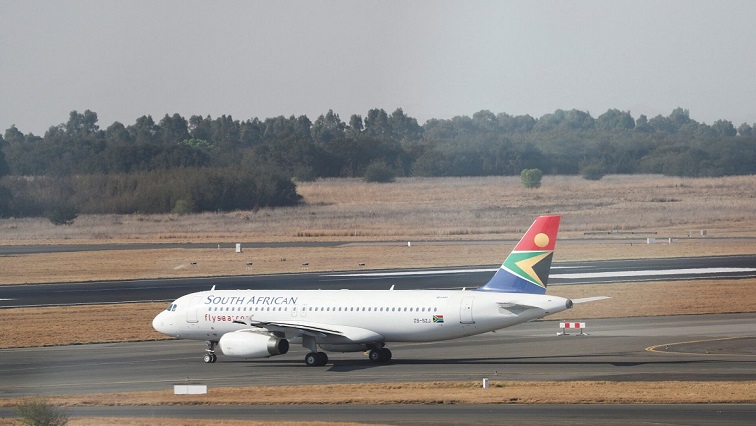
On the African continent, Czepek said Seychelles ranks highest at 22nd, followed by Mauritius at 25th, with SA at 47th. Czepek said most other African countries sit in the lower half of a global index covering about 200 passports.
The index update suggests only modest movement for African countries, with Czepek describing African rankings as largely stable over time. Czepek said shifts can reflect both changes in access granted to a specific passport plus changes in performance by passports ranked above or below.
Czepek pointed to the UAE as a major example of rapid upward movement over recent years, with the UAE moving from 62nd to 2nd, showing that fast gains are possible when visa access becomes a strategic national priority.
Czepek said higher rankings are typically linked to stronger diplomatic relationships, reciprocal visa agreements, political stability, economic strength, plus security cooperation. Czepek said weaker African passport performance is often associated with geopolitical instability, reduced diplomatic leverage, plus perceived migration risk, which can drive stricter visa requirements.
Czepek said the stronger positions of Seychelles, Mauritius, plus South Africa reflect comparatively stronger performance across those indicators. Czepek said broader gains across the continent will require sustained work on economic strength plus diplomacy, with results expected over time rather than overnight.
Czepek also warned that tighter global border policies could further restrict weaker passports if reform momentum does not accelerate.
–ChannelAfrica–





