
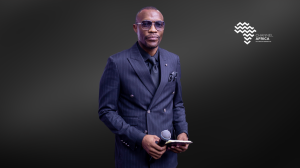
International Atomic Energy Agency Senior Coordination Officer Shota Kamishima described nuclear energy as sitting at the intersection of growing energy demand, technological innovation, and an evolving security landscape, with the potential to support sustainable development, strengthen energy resilience, and provide a platform for regional cooperation when developed properly.
Momentum for nuclear power has increased since the sector’s setback after the 2011 Fukushima disaster. Nuclear energy also gained higher-profile recognition at the 2023 United Nations (UN) climate conference, where nuclear was presented as a low-emission technology with calls for faster promotion. A group of 33 countries backed a goal of tripling nuclear power capacity by 2050, including the United Arab Emirates, where the Barakah plant supplies about a quarter of domestic electricity needs.
Globally, 416 reactors in 31 countries provide nearly 10% of the world’s electricity. A further 63 reactors are under construction, while about 60 countries are considering nuclear power, including small modular reactors.
In North Africa, Egypt is pushing ahead with nuclear power as part of a broader energy strategy that includes major renewables projects. Egypt is moving toward completion of the El Dabaa nuclear power plant, planned with a total installed capacity of 4 800 megawatts. Egyptian authorities view El Dabaa as a route to more stable supply and a platform for exporting cleaner electricity.
UN Institute for Disarmament Research researcher Almuntaser Albalawi said energy demand across the Middle East and North Africa has tripled from 2000 to 2024, with further growth expected from artificial intelligence and economic transformation. Albalawi also highlighted the rising demand for desalination and cooling, increasing the urgency of stable energy sources.
However, nuclear expansion in the Middle East remains controversial. Princeton University scholar Professor Zia Mian warned that planning for nuclear power must consider a full life cycle of about 75 years, raising questions about whether the region’s future stability can be assumed given past wars and prolonged conflict.
Climate stress adds another concern. The World Meteorological Organisation’s State of the Arab Climate Report released in 2024, warned that the region is warming at twice the global average, with severe heat expected to intensify. Mian argued that nuclear plants require large-scale cooling, and extreme heat can disrupt operations during periods of peak electricity demand.
Mian also described renewables as the fastest and cheapest pathway for new power, arguing that solar and wind can be deployed faster than nuclear projects and deliver stronger near-term climate returns per Dollar spent.
–UN/channelAfrica–





