

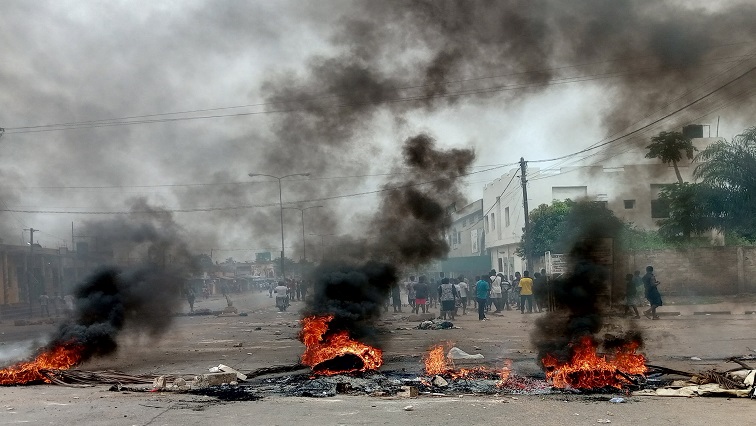
The alliance, known as the National Consultation Framework for Change in Togo (CNCC), met over the weekend to denounce the 2024 constitutional reform, which the coalition described as an “institutional coup”. Opposition figures argue the changes are designed to entrench executive power and remove effective term limits.
The reform restructures executive authority by strengthening the position of President of the Council of Ministers, a role that carries no term limits and is selected by the National Assembly, rather than by popular vote. According to critics, the shift removes direct Presidential elections and concentrates power within parliament, effectively bypassing long‑standing debates over Presidential term limits.
Research Analyst David Kofi Asante‑Darko, with the West Africa Democracy Solidarity Network and CDD Ghana, said renewed protests were expected after previous demonstrations failed to produce dialogue or compromise.
Asante‑Darko said earlier protest movements were met with repression rather than engagement, contributing to growing resentment among opposition groups and supporters. Asante‑Darko said the constitutional dispute reflects a struggle that has persisted for nearly two decades, intensifying after leadership succession in the mid‑2000s.
Asante‑Darko cautioned that immediate reversal of the constitutional amendments is unlikely, noting that sustained pressure is often required for political change. Asante‑Darko pointed to Senegal as an example where prolonged mobilisation eventually shaped political outcomes.
However, Asante‑Darko said the renewed mobilisation is registering beyond national borders, drawing attention from regional and international actors. Asante‑Darko said opposition unity appears stronger than in previous cycles, with coordination replacing fragmented action seen in earlier protests.
Asante‑Darko also highlighted broader regional implications, urging the Economic Community of West African States to address constitutional manipulation with the same urgency applied to military coups. Asante‑Darko said unequal treatment risks encouraging civilian governments to undermine democratic norms through legal changes rather than force.
The CNCC said further actions are planned, signalling that political tensions in Togo are likely to remain elevated as debate over constitutional governance continues.
–ChannelAfrica–


