

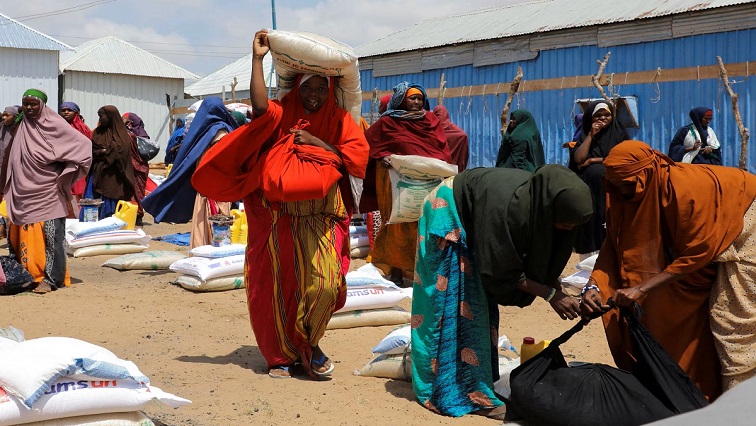
The downturn follows stronger performance in recent years, when growth averaged around 4%, but recent shocks have reversed gains. Lower humanitarian and security-related assistance has reduced demand, while drought conditions have damaged agriculture and livelihoods, leaving real income per person largely unchanged.
Inflation also picked up, rising to 3.7% in 2025 from 3.3% the previous year, driven mainly by higher food, transport, and utility costs. These pressures have weakened purchasing power and constrained household spending.
The World Bank said the slowdown has stalled progress in reducing poverty, as food insecurity worsened and rising prices placed additional strain on vulnerable communities. The outlook remains fragile, with growth projected at 2.8% in 2026 and 3.1% in 2027, reflecting continued pressure from declining aid, climate variability, and global price shocks.
A key concern highlighted in the report is Somalia’s dependence on diesel for electricity generation. With energy supply almost entirely fuel-based, global oil price increases quickly feed into domestic costs, raising the price of electricity, transport, and food.
This dependence is affecting both businesses and households, increasing production costs, reducing competitiveness, and placing a heavier burden on poorer populations.
While 71% of households report having access to electricity, only 21% receive more than eight hours of power per day, limiting productivity and economic resilience.
The report identifies energy reform as critical to improving living conditions and supporting long-term growth. Priorities include expanding renewable energy, strengthening regulation, and upgrading transmission and distribution systems to lower costs and reduce vulnerability to fuel price shocks.
The World Bank said Somalia has made progress in strengthening macroeconomic management despite difficult conditions, but long-term growth will depend on tackling structural constraints.
Improving access to reliable, affordable energy, alongside sustained reform efforts, will be essential to protect livelihoods, support businesses, and reduce poverty in an increasingly uncertain economic environment.
–World Bank/ChannelAfrica–





