


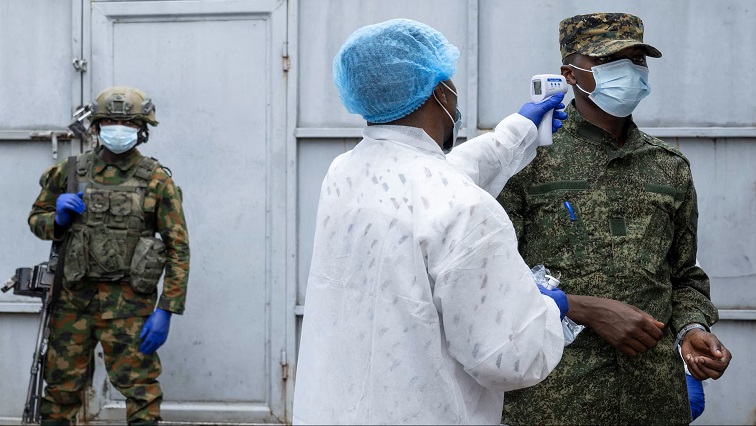
United Nations (UN) agencies have increased support to contain the Ebola outbreak in eastern Democratic Republic of the Congo (DRC), deploying emergency supplies and strengthening response systems as health authorities work to limit transmission.
The outbreak, declared on May 15 in Ituri province, has prompted rapid mobilisation across the UN system, with assistance extended to neighbouring Uganda, where cases have also been recorded.
The World Health Organisation (WHO) delivered 11.5 tonnes of medical supplies within 72 hours of the declaration. The consignment included protective equipment, medical kits, tents and water, sanitation and hygiene materials aimed at improving infection control and treatment capacity.
Logistical support has been reinforced through cooperation with the UN peacekeeping mission (MONUSCO) . The mission established an air bridge to transport supplies from Nairobi to Bunia, enabling the delivery of nearly 30 tonnes of materials within days. Vehicles and motorcycles have also been deployed to strengthen operations on the ground.
MONUSCO has expanded activities beyond logistics to include awareness campaigns in affected communities. Peacekeepers have conducted outreach in areas such as Tchabi and Fataki, providing information on hygiene practices, early symptoms and risks associated with transmission. The efforts are designed to improve preparedness and reduce misinformation.
The outbreak is developing in a region already affected by conflict and food insecurity. The World Food Programme (WFP) said 26.5 million people across the DRC are currently facing acute hunger, including about 10 million in eastern provinces such as Ituri. In Ituri alone, about 1.7 million people are experiencing severe levels of food insecurity.
The WFP is supporting the response by transporting personnel and supplies and providing food assistance to affected households, patients and health workers. The agency said more than $214 million is required for operations in the country, including over $10 million for Ebola-related activities.
The UN Children’s Fund (UNICEF) has raised concerns about the impact on children, who face increased risks during outbreaks. UNICEF has already mobilised nearly 50 tonnes of emergency supplies and is deploying rapid response teams to support community engagement and communication efforts.
The outbreak is linked to the Bundibugyo strain of the virus, for which no vaccine or treatment is currently available. Health authorities have reported 139 deaths and about 600 suspected cases, while Uganda has confirmed two infections.
The WHO has classified the outbreak as a public health emergency of international concern, calling for coordinated action to contain the spread.
–UN/ChannelAfrica–


