

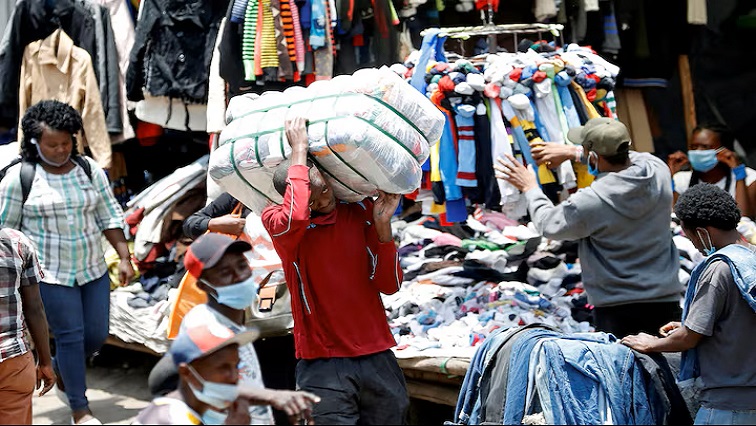
Kenya’s largest open-air market, Gikomba Market, continues to attract thousands of shoppers despite heavy rains, underscoring the enduring popularity of second-hand clothing in the country.
The market, famous for its affordable garments imported mainly from the United States, Europe and China, remains a key source of clothing for many Kenyans seeking low-cost alternatives amid rising living costs.
Traders say consumers often prefer buying several second-hand items for the price of a single new garment, making it difficult for locally manufactured clothing to compete.
The popularity of the trade poses a challenge to efforts by the East African Community to develop and strengthen a regional textile and fashion industry.
Governments across East Africa have periodically explored measures to curb second-hand clothing imports and encourage local production. However, such initiatives have often faced resistance from traders and consumers concerned about affordability.
Recently, Uganda introduced a 30% tax on second-hand clothing imports as part of efforts to support domestic manufacturers. In Kenya, a proposed adjustment to taxes on imported second-hand clothing was dropped following public opposition over fears it would increase prices for consumers.
Industry stakeholders argue that while promoting local manufacturing is important, governments must also consider the economic realities facing millions of households that rely on affordable second-hand clothing.
–ChannelAfrica–





