


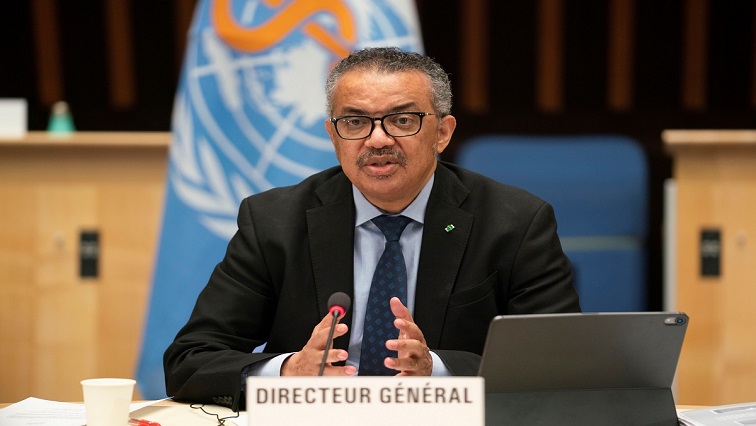
Speaking at the close of the Seventy-ninth World Health Assembly, WHO Director General Tedros Adhanom Ghebreyesus said the emergence of new cases demonstrates the need for sustained preparedness and coordinated response efforts.
Ugandan authorities have confirmed three additional cases of Ebola linked to the Bundibugyo strain, bringing the total number of infections in the country to five. The cases include a health worker, a driver and a Congolese national who travelled from Ituri province in the Democratic Republic of the Congo (DRC).
The WHO said the outbreak remains a serious concern in the region, particularly as the Bundibugyo strain currently has no approved vaccine or treatment. The organisation has classified the national risk level in the DRC as very high, while the global risk remains low.
The WHO is working with the Africa Centres for Disease Control and Prevention and national authorities in both countries to contain the outbreak. Efforts include surveillance, case management and coordination of response activities across borders.
Cross-border cooperation has been identified as a priority. At a high-level meeting in Kampala, health officials from Uganda, the DRC and South Sudan discussed the importance of coordinated action. WHO officials said early detection and rapid response are critical to preventing wider transmission.
Marie Roseline Belizaire, WHO Africa’s Director of Emergency Preparedness and Response, said delays in response can increase the impact of outbreaks. Belizaire said strengthening surveillance systems and preparedness measures remains essential.
Tedros also called on member states to increase financial contributions to support WHO operations, noting that sustained funding is required to maintain effective global health responses.
The Assembly concluded with countries adopting resolutions on a number of health priorities, including tuberculosis control, emergency care, stroke prevention, neglected tropical diseases and medicine safety.
Member states also agreed to launch a reform process for the global health system, aimed at improving coordination and response during health emergencies.
The WHO said future progress will depend on implementation at the national level, including investment in health systems, improved access to care and stronger international cooperation.
–UN/ChannelAfrica–


