


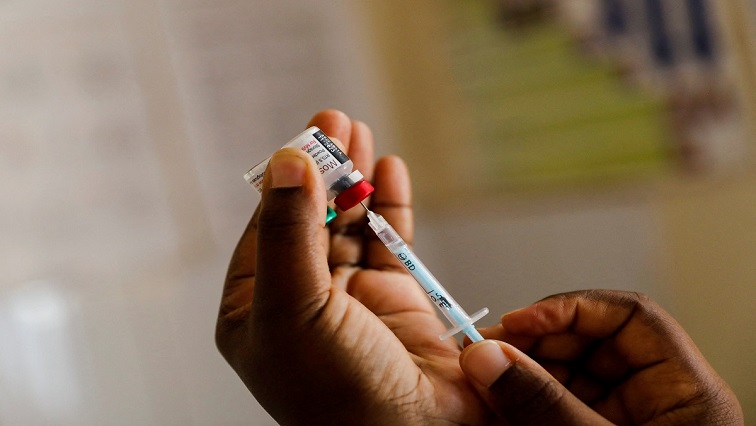
The meeting, convened on May 20 by the African Union Commission and the World Health Organisation, brought together member states, donors, technical experts and health partners to assess progress and outline strategies to accelerate disease control efforts.
Participants highlighted the scale of the challenge. Malaria affects an estimated 282 million people annually and causes about 610 000 deaths, with children and pregnant women among the most vulnerable. Neglected tropical diseases affect around 1 billion people, while approximately 1.4 billion require ongoing intervention each year.
Global targets for 2030 include a 90% reduction in malaria cases and deaths, as well as a similar reduction in the number of people requiring interventions for neglected diseases. Additional goals include eliminating at least one neglected tropical disease in 100 countries and malaria in at least 35 countries.
Health officials noted that progress has been made over the past two decades through expanded treatment access, prevention campaigns and improved monitoring systems. Data indicate that the number of people requiring interventions for neglected diseases declined from 2.2 billion in 2010 to 1.4 billion in 2024, while 63 countries have eliminated at least one such disease.
However, challenges remain. Participants cited weak health systems, limited financing, resistance to drugs and insecticides, and the effects of climate change as key risks. Declining global health funding has also increased pressure on programmes.
The meeting emphasised the importance of integrated health systems that address multiple diseases simultaneously, rather than separate approaches. Expanding access to services and strengthening national health systems were identified as priorities.
Cross-border cooperation was highlighted as a critical factor. Health officials said movement of people, trade and changing environmental conditions can allow diseases to spread across national boundaries. Border regions were identified as areas requiring targeted interventions and improved surveillance.
Countries also discussed efforts to strengthen coordination through shared monitoring systems and joint response mechanisms. A proposed agreement on cross-border collaboration for malaria and neglected diseases is under development, aimed at improving coordination between countries.
Participants said sustained progress will depend on political commitment, increased domestic investment and continued international support. The meeting also underscored the role of partnerships between governments, development institutions and the private sector.
Health officials said addressing these diseases is linked to broader development goals, including reducing poverty and improving access to education and healthcare.
The meeting concluded with calls for stronger cooperation, improved data sharing and expanded investment to support efforts to reduce disease burden and meet global health targets.
–WHO/ChannelAfrica–


