

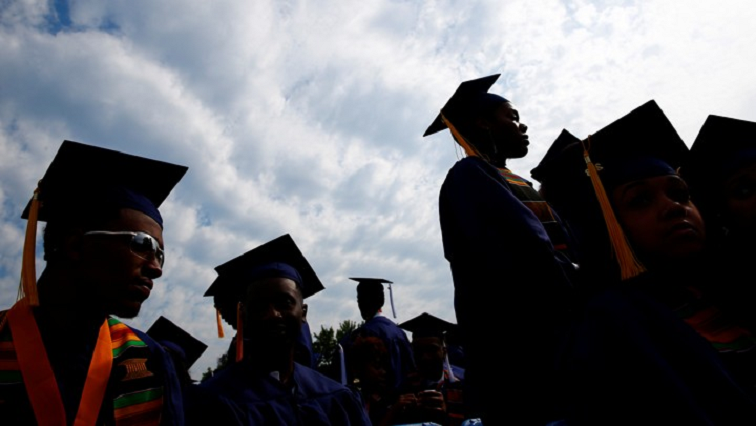
If you are stepping into the world of postgraduate studies expecting a slightly harder version of your undergraduate degree, you might want to adjust your expectations.
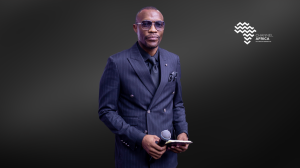
According to Farai Mlambo, a senior lecturer in Digital Business at Wits Business School in Johannesburg South Affrica, the jump from a bachelor’s degree to postgrad research catches many students off guard. This is largely because universities mistakenly assume students already have advanced critical thinking and academic writing skills locked down.
The core difference is that undergraduate studies are all about answering questions, whilst postgraduate research is entirely about learning how to ask them. Speaking during an interview on The Journal show, Mlambo explained that at postgraduate level, you are not given the question, you have got to come up with it yourself.
To survive this transition, students need to focus on finding a “golden thread” that seamlessly links the research problem, literature review, methodology, and conclusion. Success also requires going deep rather than wide. Instead of trying to answer a massive, vague question, students must narrow their focus to a specific population or area.
The expectations also shift depending on the level of study. Whilst a Master’s degree proves you have mastered research principles, a PhD demands absolute novelty and a genuine contribution of new knowledge to the field.
Beyond the library stacks, the postgrad lifestyle is heavily dictated by the relationship with your supervisor. Mlambo describes this dynamic as a highly specialised form of mentorship that requires strong communication, emotional intelligence, and mutual understanding to navigate the inevitable pressure and academic rejection.
It is a demanding reality that Mlambo explores deeply in his book, A Survival Guide for Every Postgraduate Journey. Ultimately, he reminds researchers that the qualification itself isn’t the ultimate goal of this lifestyle shift, noting that the main project is not the master’s or the PhD, but the student themselves.
–ChannelAfrica–


