


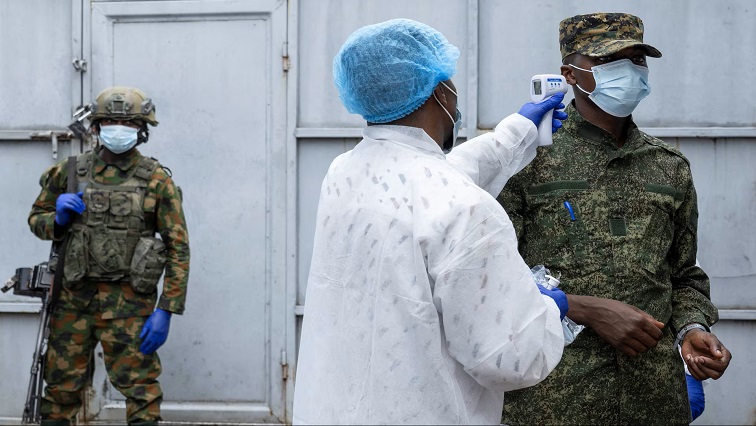
Communities have reacted strongly to restrictions on handling the bodies of deceased relatives, with reports indicating that at least three treatment centres have been attacked by individuals attempting to retrieve remains. Authorities say the virus remains highly contagious, particularly during burial rituals.
Cultural Expert Gugu Mkhize from the University of KwaZulu‑Natal said traditional beliefs play a central role in how African communities approach death. Mkhize said death is often viewed as a transition to the ancestral realm rather than an end, making ritual practices essential for maintaining a connection between the living and the deceased.
Mkhize said this perspective makes it difficult for communities to accept medical protocols that limit physical interaction with the body. She said burial rituals are seen as necessary for ensuring spiritual continuity and honouring the deceased.
To address the challenge, Mkhize said communication must involve community leaders who can explain the risks while respecting cultural values. She said there is a need to find approaches that allow communities to perform essential rituals without direct contact with infected bodies.
Mkhize said some cultural practices already allow for symbolic forms of connection with the deceased that do not require physical presence. She said these alternatives could help bridge the gap between public health requirements and traditional beliefs.
Mkhize gave an example of cultural practices where communication with the deceased can occur away from the body, suggesting that similar adaptations could support safer burial practices.
Health officials say changing behaviour around funerals is critical to controlling the spread of Ebola, as close contact during mourning gatherings remains a key transmission route.
Mkhize also noted that broader social conditions can complicate containment efforts. Overcrowding in households makes isolation difficult, even where communities are aware of infection risks.
–ChannelAfrica–


