

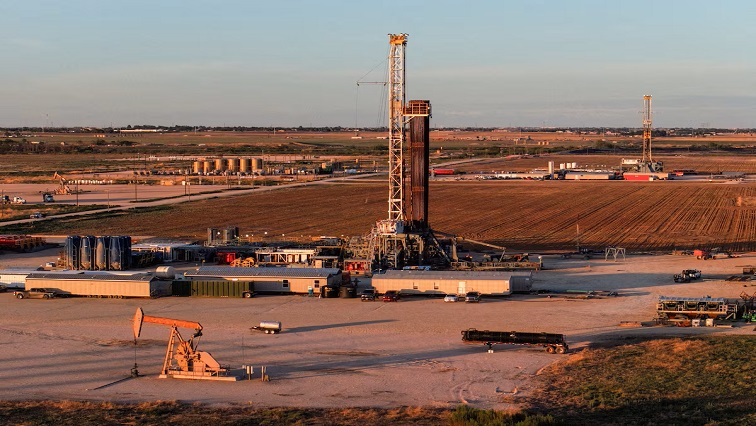
Development Economist Dr Eddie Mahembe said the discovery was positive news for Zimbabwe and the wider region, but commercial viability remains the central test. Mahembe, speaking to Channel Africa on Friday, said Invictus Energy had been exploring in the area since 2018 or 2019, collected samples in 2022 and confirmed the presence of gas in 2023 after further testing. Mahembe also said a Qatari partner joined the project last year, a development viewed as support for the project’s economic potential.
Mahembe said successful commercial development could help address electricity shortages across southern Africa, where Zimbabwe and South Africa have both experienced load shedding. Mahembe said gas from Cabora Bassa could also support upstream industries, including agriculture, through possible nitrogen-based fertiliser production, while also reducing pressure from fuel imports.
Zimbabwe currently relies mainly on hydropower and coal for base power. Mahembe said hydropower has become less reliable because of rainfall patterns linked to global warming, while coal output has also been constrained by ageing infrastructure. A viable gas project would therefore add a third source of base power to the energy mix. Mahembe added that solar energy projects could also contribute to future supply stability.
Mahembe said the first drilling is projected for around 2030. Before that stage, Mahembe said construction activity could generate jobs and broader economic activity.
Concerns remain over commercial risk. Mahembe said major uncertainties include whether gas can be found in sufficient quality and at workable depth, as well as whether transport infrastructure can support the project. Mahembe said the area is rural, with farming activity, and added that some residents may need to move. Mahembe also said information on environmental assessment and compensation has not been made available.
Under the agreement signed this week, Zimbabwe will hold 20% while Invictus Energy will hold 80%, according to Mahembe. Mahembe said the government option allows Zimbabwe to receive either gas or profit.
Mahembe said the agreement sends a signal to international investors that long-term projects in Zimbabwe can still attract backing despite risk.
–ChannelAfrica–





