

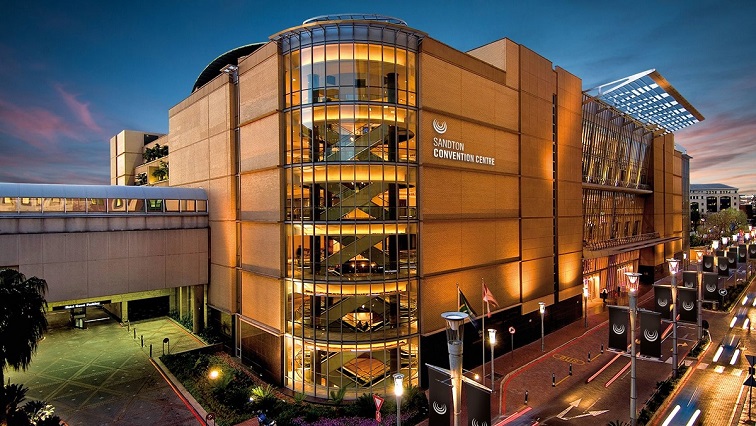
The discussions in Johannesburg focused on global trade and financial systems and examined practical options for expanding South Africa’s role in BRICS-Plus, which includes Egypt, Ethiopia, Iran, Saudi Arabia, and the United Arab Emirates, trade and financial architectures.
The push comes as concern grows over persistent trade deficits, a narrow export basket and whether SA is making sufficient use of BRICS membership.
Chairperson of the Trade and Investment Working Group Advocate Mtho Xulu said the focus must shift towards local industrial value addition rather than higher volumes of raw production.
Xulu said SA continues to record a trade deficit, with the country buying more than it sells. Xulu also said the sophistication of exports remains limited, with sales still dominated by primary goods such as raw minerals and primary agriculture, reducing the value SA can derive from consumption in BRICS countries and other markets.
SA’s total trade volume with BRICS partners reached $62 billion in 2025. Exports stood at $23.2 billion, while imports reached $38 billion, leaving SA with a substantial trade deficit.
Xulu said changes in global trade and finance, also shaped by geopolitics, make it necessary to identify where SA is most vulnerable and which sectors face the greatest risk. Xulu said energy costs and limited negotiating power on the global stage show that SA still has a long way to go, but added that the BRICS platform offers a strategic route to shorten that path.
To close the gap, Xulu said priority sectors must be identified to support stronger local industrialisation and reduce dependence on raw material exports. Xulu named information and communications technology, mining and agriculture as key sectors, with manufacturing providing the foundation for industrial growth, job creation and investment in production.
Xulu also said reform of payment systems remains one of the most difficult areas of negotiation, requiring coordination among finance ministers, central banks and regulators. Xulu said innovation in digital payments provides scope for harmonising fiscal and monetary policy, improving interoperability among reserve banks and supporting trade in local currencies within BRICS.
The consultations will now move to the 18th BRICS leaders summit in India in September. China will assume the BRICS Chairmanship in 2027, with SA set to host in 2028.
–SABC/ChannelAfrica–


