

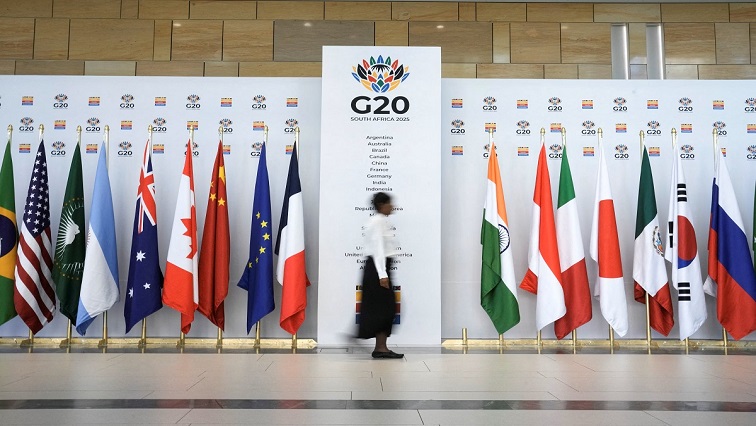
The report, titled SA’s G20 Presidency in a Fragmented World, assesses the outcomes, tensions, compromises and geopolitical pressures that shaped SA’s term as the first African Presidency of the G20.
Institute for Economic Justice Researcher Nerissa Muthuyan said SA’s Presidency unfolded during a period of overlapping global crises, including rising debt distress in developing countries, worsening climate impacts and deepening inequality.
Muthuyan said SA succeeded in keeping development issues on the agenda during a difficult geopolitical period. Muthuyan said the refusal by the US to attend the summit made consensus harder to secure, which gave added diplomatic weight to the final declaration.
At the same time, Muthuyan said the report found a widening gap between political ambition and implementation. Muthuyan said the declaration recognised many major problems but offered limited commitments to tangible outcomes. According to Muthuyan, voluntary language replaced firmer commitments on issues such as gender equality, climate action, debt reform and development finance.
Muthuyan said SA began the presidency with ambitious priorities, including debt, critical minerals and industrialisation. Some progress was made in elevating food security, industrialisation, critical minerals and disaster resilience, but Muthuyan said debt reform produced no tangible progress.
Muthuyan also said taxation, a major issue under Brazil’s presidency, failed to advance despite the importance of taxation of high-net-worth individuals in addressing inequality.
According to Muthuyan, the Presidency showed that global governance is becoming more fragmented, with cooperation increasingly shaped not only inside the G20 but also through alliances outside the forum.
Muthuyan said coordination across Brazil, Russia, India, China and SA the African Union and the United Nations was becoming more important for countries in the Global South.
Muthuyan said SA had to dilute some priorities to keep major powers engaged. Muthuyan said SA wanted stronger movement on debt and African issues, but much of the effort shifted towards keeping those matters on the table.
Muthuyan said SA was able to bring attention to African priorities and provide steady leadership during a difficult period, but also showed that ambition alone is not enough to secure economic, social and climate justice through the G20.
–ChannelAfrica–


