

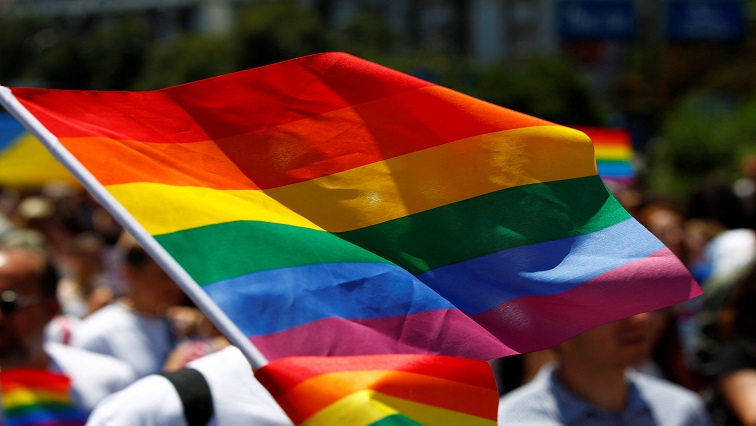
The bill, commonly referred to as the anti-LGBTQ+ bill, was passed by the Parliament of Ghana after its third reading and is expected to undergo further constitutional processes before it can become law through presidential assent.
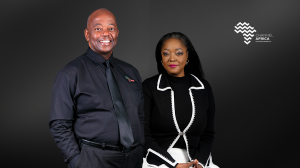
Speaking to Channel Africa on Monday, Larissa Kojoué, a Researcher on LGBTQ+ rights in Africa at Human Rights Watch, said the legislation would criminalise individuals rather than specific acts and could have far-reaching consequences for human rights protections.
Kojoué argued that the bill would expose LGBTQ+ people to greater stigma, discrimination and fear, while potentially affecting access to employment and other opportunities.
“It means that a minority group can be legislated into criminality just by existing,” Kojoué said.
Supporters of the bill have argued that it is necessary to preserve traditional family values and cultural norms. However, Kojoué rejected that argument, saying the legislation would harm families rather than protect them.
Kojoué, noted that LGBTQ+ individuals are members of families and communities and warned that provisions encouraging the reporting of same-sex relationships could create divisions within households and undermine family support systems.
The bill reportedly includes exemptions for certain professional groups, including medical practitioners, journalists and lawyers. However, critics argue that these exemptions do not address broader concerns about freedom of expression, association and protection from discrimination.
Kojoué said the legislation’s provisions could create an environment in which harassment, abuse and police misconduct become more difficult to challenge.
–ChannelAfrica–


