
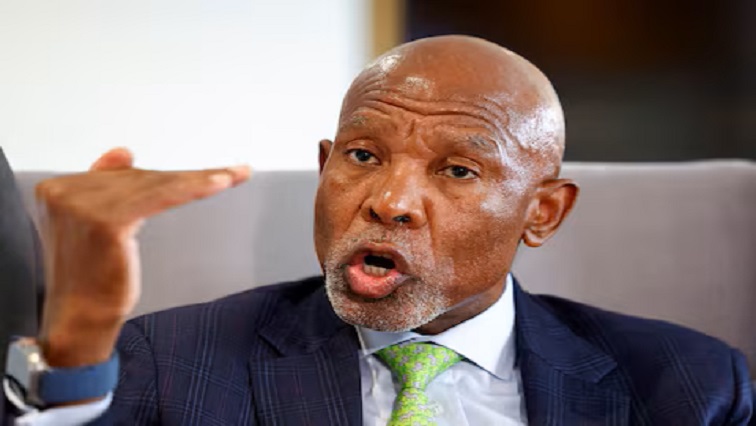
South Africa’s (SA) central bank Governor Lesetja Kganyago said this Tuesday that the bank would bring inflation back to its 3% target, defending last week’s rate hike as necessary to prevent second-round effects from the Middle East oil shock from becoming entrenched.
The SA Reserve Bank (SARB) raised its key repo rate by 25 basis points last Thursday, to 7%, with four out of six Monetary Policy Committee members backing the decision.
SA’s inflation climbed to 4% in April from 3.1% in March, sitting at the upper end of the central bank’s target range.
The SARB, which targets inflation at 3% with a 1-percentage-point tolerance band, raised its inflation forecasts to 4.4% and 3.7% for 2026 and 2027 respectively.
Africa’s most industrialised economy is a net oil importer and has seen large price hikes on the back of the Iran war, which has pushed inflation higher, despite a modest government intervention on the fuel levy to cushion the full effect of the price increases.
The Governor said second-round effects from the oil shock -including spillovers to food prices from higher diesel and fertiliser costs – were developing and needed to be tackled. The bank is projecting core inflation of around 4% in the first half of next year.
Kganyago warned that inflation expectations could quickly edge higher as price setters have a fresh memory of elevated inflation, adding that raising rates now was a move to counter that risk.
“By changing rates, we hope to send a clear and credible signal that we will keep inflation under control,” Kganyago said in a speech to economists in Johannesburg, warning that the bank would not allow a price spiral to take hold at the expense of the most vulnerable.
Kganyago firmly ruled out reverting to the old 3–6% inflation target band.
The next inflation expectation survey will be released at the end of June.
–Reuters–





