


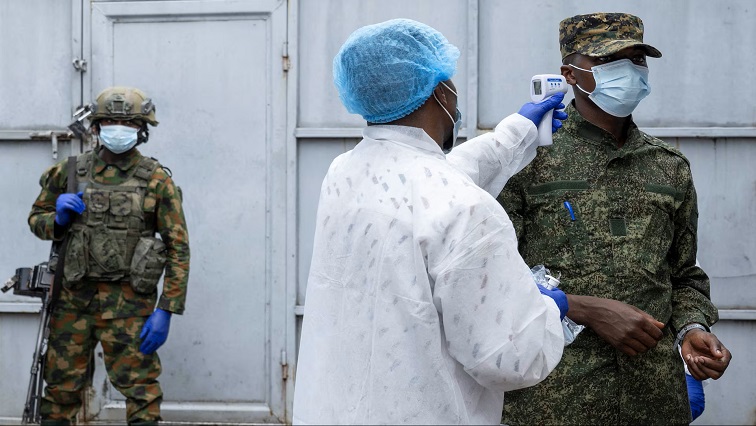
WHO Director-General Tedros Adhanom Ghebreyesus briefed journalists in Geneva after returning from the DRC, where Tedros met government officials, health workers and community leaders involved in the response.
Tedros said the outbreak had gained a significant foothold before response efforts intensified but noted that authorities were beginning to make progress.
“What I saw gave me hope,” Tedros said.
The outbreak is caused by the Bundibugyo strain of the Ebola virus, for which there is currently no approved treatment. Three vaccine candidates are under development.
According to the WHO, 344 confirmed cases and 60 deaths have been recorded in the DRC. The number of suspected cases has fallen from more than 1 000 last week to 116 as health teams work through a backlog of investigations.
The outbreak is centred in Ituri Province in eastern DRC, with additional cases reported in North Kivu and South Kivu provinces. The response is being complicated by armed conflict, widespread displacement and other health challenges, including malaria.
Three Ebola treatment centres with a combined capacity of 80 beds are operating in Bunia, the capital of Ituri Province, while treatment units have also been established in five other cities.
Uganda has reported one confirmed death and 15 confirmed cases linked to the outbreak. WHO said a Congolese national travelled to Uganda from the United Arab Emirates before testing positive. An American citizen infected in the DRC is receiving treatment in Germany.
WHO continues to assess the risk as very high nationally within the DRC and high across the region, while the global risk remains low.
Tedros said six people in the DRC and two in Uganda have recovered, demonstrating that access to early medical treatment improves survival rates.
WHO identified contact tracing as a major concern, with current follow-up rates standing at about 45%, well below the 90% target required to effectively contain the outbreak.
Tedros stressed that community trust remains essential to ending the outbreak, noting that some residents still do not believe Ebola exists.
The WHO chief said leadership, local ownership, partnerships and trust would ultimately determine the success of efforts to bring the outbreak under control and prevent future recurrences.
–UN/ChannelAfrica–


