


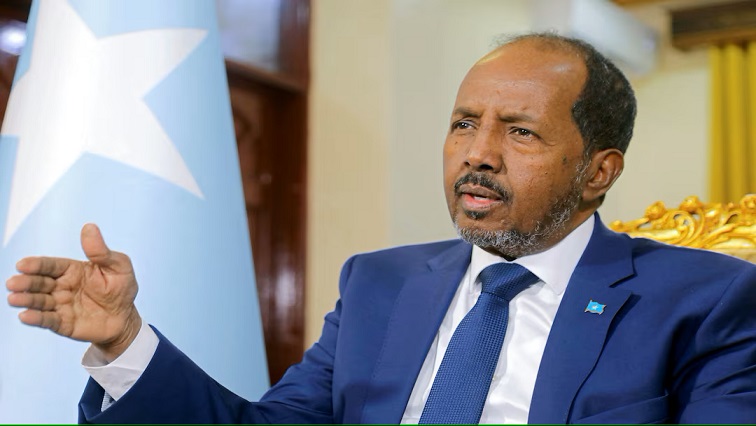
The heavy gunfire shattering several neighborhoods across Somalia’s capital is no longer just a localised constitutional crisis; it is a direct threat to continental security. Clashes erupted after President Hassan Sheikh Mohamud’s term expired on May 15 and was extended by a year, a move the opposition rejects as an unconstitutional power grab. However, University of Pretoria governance and elections expert Dr Tendai Mbanje warns that the explosive domestic deadlock over migrating from a traditional clan-based voting system to direct elections will quickly spill far beyond the Horn of Africa if left unchecked.
“The security of Somalia is the security of the continent,” Mbanje stated, highlighting the high stakes of the political vacuum. “Whenever Somalia is destabilised, there’s irregular migration within the East African community, and it ends up also spilling to Southern Africa and many other parts of the continent and the world. It is a continental peace and security issue.”
The immediate danger on the streets of Mogadishu is a total collapse of institutional trust, with security forces already opening fire near the former Prime Minister’s home during protest planning. Mbanje points out that while the President may genuinely want to democratise the nation, pushing an aggressively fast-tracked voting reform without proper communication has unified the armed opposition in total resistance. This internal warfare plays directly into the hands of the region’s deadliest insurgent group, which thrives on state fragmentation.
“Al-Shabaab still controls a large segment of the population, and often we have seen that when there is some form of instability politically, they take advantage,” Mbanje warned. “If the tensions continue, it will give room for al-Shabaab to come in and further destabilize. The conflict will become even more complex.”
With international bodies like the United States and European Union missions calling for urgent dialogue, mediators face the daunting task of resolving the presidential legitimacy crisis. Mbanje argues that a radical leap to a direct presidential vote will continue to face violent rejection from minority federal states who fear being wiped out of power. Instead, regional players must step in to negotiate a phased-out, hybrid transition timeline that community leaders can actually endorse before the destabilisation triggers a massive regional humanitarian and security crisis.
–ChannelAfrica–


