


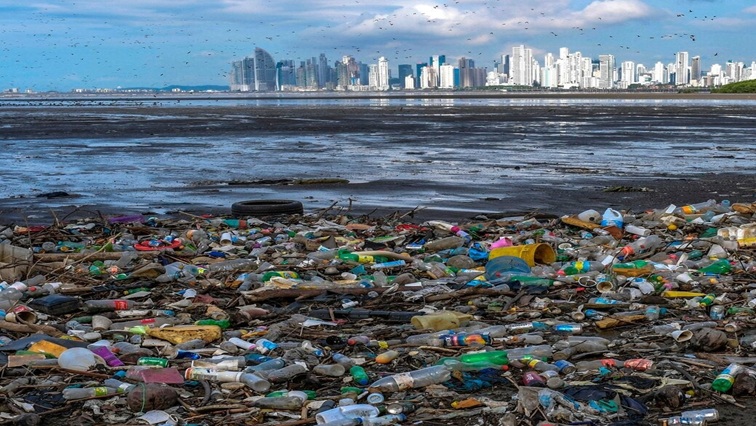
The findings come from the World Ocean Assessment, compiled over nearly five years by more than 550 experts from 86 countries. The 1 600‑page report provides one of the most comprehensive analyses to date of the ocean’s health, warning that its ability to regulate climate, sustain biodiversity and support economies is increasingly at risk.
The report highlights the central role the ocean plays in everyday life, even for those living far from coastlines. It absorbs most of the planet’s excess heat and greenhouse gases, helping to stabilise global temperatures.
Without this buffering effect, extreme weather events would become more frequent, threatening food security, supply chains and broader economic systems. The ocean also provides food, supports global trade and tourism, and contributes to human health through oxygen production and marine-based medicines.
However, scientists say the ocean is under intensifying stress. Rapid population growth and urbanisation have concentrated activity along coastlines, where more than a third of the global population now lives.
This has led to increased resource extraction, infrastructure expansion, pollution and habitat degradation. At the same time, offshore development, including wind farms, oil installations and seabed infrastructure, is altering ecosystems further out at sea.
Climate change is accelerating these pressures. The report shows that sea level rise has more than doubled in recent years, reaching 4.3 mm per year in 2023, driven by melting ice and warming waters. Ocean temperatures continue to rise, with a significant portion of warming recorded in just the past decade. Oxygen-depleted “dead zones” have expanded dramatically, now covering millions of square kilometres where marine life struggles to survive.
Marine biodiversity is also declining across nearly all habitats. Coral reefs, particularly in the Caribbean, have experienced sharp long-term losses, and could face near-total collapse if global warming exceeds 1.5°C. Critical coastal ecosystems such as mangroves and seagrasses continue to shrink, while many species are shifting toward the poles in response to changing temperatures. At the same time, invasive species are spreading more easily under altered environmental conditions.
Pollution remains a major driver of ocean degradation. Each year, tens of millions of tonnes of plastic waste enter the ocean, breaking down into trillions of microplastic particles that affect thousands of marine species. Chemical contamination is also increasing, with thousands of compounds from pharmaceuticals and personal care products now detected in marine environments.
The report warns that ocean-based food systems, which provide about 20% of the world’s animal protein, are under growing strain. Overfishing remains a major concern, with more than a third of fish stocks already overexploited. Illegal, unregulated fishing continues to remove millions of tonnes annually, while pollution, disease and climate impacts threaten the sustainability of aquaculture and fisheries.
Despite these challenges, the ocean economy continues to expand, currently valued at around $1.5 trillion a year and projected to double by 2030. Industries such as tourism and global shipping support millions of jobs, but also contribute to environmental pressures, highlighting the need for more sustainable practices.
The report also points to gaps in governance and knowledge. While international cooperation is improving, the existence of dozens of overlapping treaties has led to fragmented management of ocean resources. In addition, large areas of the ocean remain poorly understood, with only about a quarter of the seafloor mapped as of 2025.
Experts say solutions exist, including reducing emissions, expanding marine protection and applying nature-based approaches. However, they caution that restoring ocean ecosystems alone will not be enough to meet global climate targets, underscoring the need for broader systemic change.
The assessment concludes that the coming decade will be decisive. Without coordinated global action, the continued decline of ocean health could have far-reaching consequences for climate stability, food security, biodiversity and the well-being of billions of people worldwide.
–UN/ChannelAfrica–


