


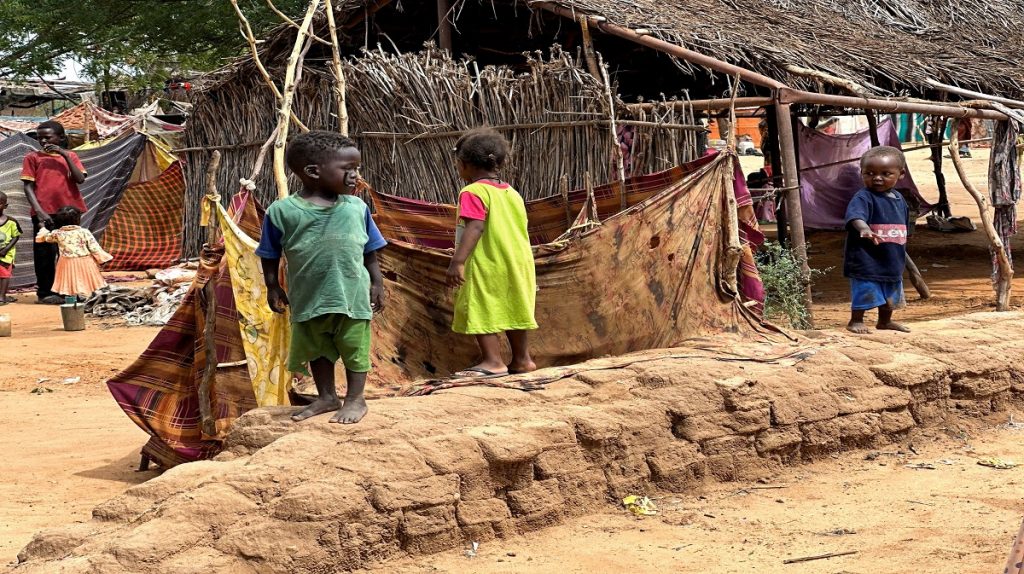
The four-year initiative, known as the Boosting Agrifood Systems Resilience in Sudan Project, or BOOST, was officially launched on May 22 in Nairobi. The project targets farming communities in Sennar and Blue Nile states, two areas historically central to Sudan’s crop production but increasingly affected by conflict and limited agricultural capacity.
The programme comes at a critical time, with more than 19 million people in Sudan experiencing crisis levels of hunger or worse. It aims to help farmers restore production, reduce post-harvest losses, improve incomes and strengthen links to local markets.
WFP Sudan Country Director Abdallah Alwardat said farmers already supported through resilience programmes have been able to maintain and even improve production despite ongoing conflict. Alwardat said those receiving support have managed to sustain agricultural activity without relying on food aid, highlighting the impact of targeted interventions.
AfDB Country Manager for Sudan David Muthusi Mutuku said the project reflects a broader effort to support long-term recovery and resilience in the country. Mutuku said investing in agriculture is critical for strengthening rural economies, increasing food production and helping communities withstand future shocks.
The BOOST project will support more than 230 000 farming households, with a target of producing nearly one million metric tons of cereals and pulses over its duration. This output is expected to meet the annual cereal needs of about nine million people and provide pulses for more than 15 million people.
Implementation will be led by the WFP under the Bank Group’s third-party arrangements, working alongside other UN agencies and agricultural research institutions. The programme will also focus on organising farmer groups, delivering training and promoting agribusiness development to improve productivity and market access.
BOOST builds on the ongoing Sudan Emergency Wheat Production Project, also implemented by the WFP, and forms part of a wider shift from emergency food assistance to strengthening local food production systems in crisis conditions.
The AfDB and the WFP have expanded cooperation in Sudan in recent years, with nearly $267 million invested since 2023 in resilience-focused agricultural programmes.
The new initiative is expected to play a key role in improving food security, supporting livelihoods and reinforcing Sudan’s capacity to recover from ongoing economic and humanitarian challenges.
–AfDB–


