

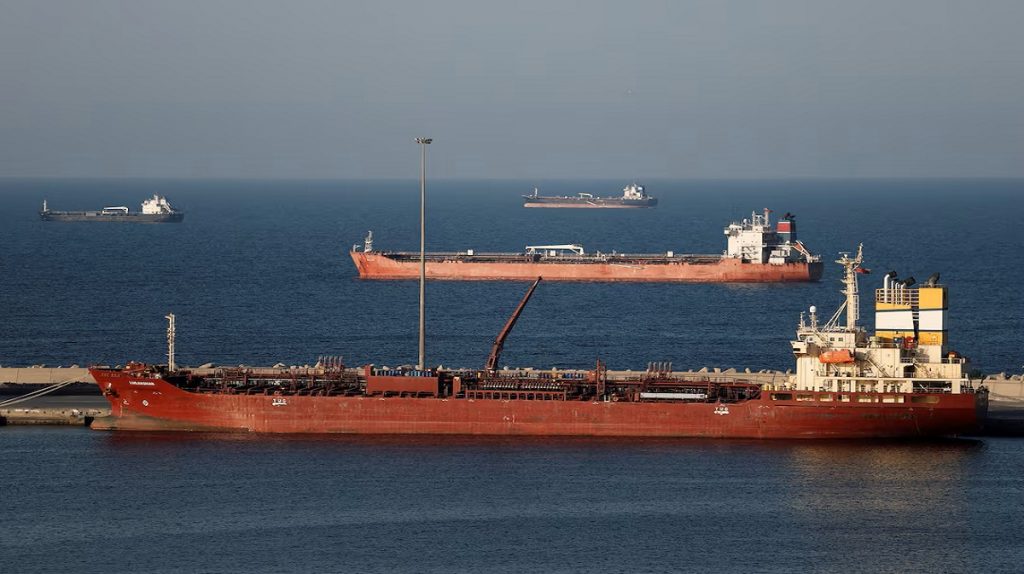
The incident involved the Palau-flagged tanker MT Settebello, which was reportedly struck near the coast of Oman. According to United Nations (UN) sources, the attack is part of a wider pattern of hostilities linked to renewed tensions between the United States and Iran following stalled negotiations.
UN Secretary-General António Guterres has expressed deep concern over the escalation, warning that further deterioration could lead to a full resumption of conflict with unpredictable global consequences. Guterres called on all parties to return to the ceasefire and prioritise dialogue to prevent further instability.
The Strait of Hormuz is a strategic global chokepoint, with a significant share of the world’s energy and commodity flows passing through the narrow waterway. The UN Food and Agriculture Organisation (FAO) estimates that about 35% of global crude oil exports and 20% of liquefied natural gas shipments transit the strait, along with a substantial portion of fertiliser and sulphur exports critical for agricultural production.
UN officials say disruptions in the region are already having ripple effects beyond energy markets. FAO Director-General Qu Dongyu warned that instability in the corridor poses a “global food security risk,” particularly through delayed impacts on fertiliser supply. Higher input costs are forcing farmers in developing regions to make difficult decisions on crop production, which could result in lower yields and rising food prices in the coming months.
Early signs of this pressure are emerging. FAO reported increases in global cereal prices, with wheat and rice both recording month-on-month gains. These trends reflect broader supply disruptions linked to rising transportation and input costs.
The International Maritime Organisation (IMO) said at least 14 seafarers have been killed since tensions escalated in late February, with 46 confirmed attacks on shipping recorded in the region. IMO Secretary-General Arsenio Dominguez condemned the attacks, warning that they pose unacceptable risks to civilian seafarers and global trade.
–UN/ChannelAfrica–


