

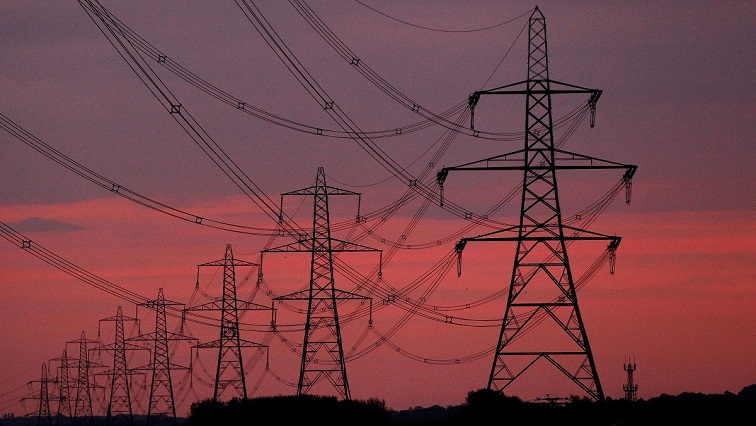
The debt-for-development arrangement, backed by the African Development Bank, will allow Zambia to reduce borrowing costs while channelling savings into expanding electricity access and strengthening the national grid.
Economist and Energy expert Kelvin Chisanga said the decision reflects a strategic shift in how the country is managing its debt portfolio.
“There is an economic value in the debt recycling process that we are actually being able to undertake,” Chisanga said, adding that redirecting funds from debt servicing to energy investment represents “a very formidable financial decision” with strong productive potential.
Chisanga said the investment is particularly significant for Zambia’s mining sector, which accounts for around 50% of national electricity consumption. Reliable power supply is critical to maintaining output and preventing disruptions in a sector that underpins the country’s export earnings.
“We understand very well that the mining sector demands more power… having a baseload which should be able to sustain the productive sense of this economy,” Chisanga said.
Beyond mining, improved energy capacity is expected to benefit agriculture, manufacturing and small businesses. Chisanga said energy is a foundational input across sectors, and increased supply would support broader economic expansion.
“This will… make energy sufficiently available to ensure that the productive sense of the economy goes with its maximum exposure,” Chisanga said.
The move is also expected to contribute to a more stable macroeconomic environment, including support for foreign exchange earnings and reduced vulnerability to external shocks.
Chisanga said Zambia’s approach offers lessons for other countries in the Southern African Development Community, particularly in using debt restructuring to create fiscal space for targeted development spending.
“Development is dependent on targeting sectors that have a strong multiplier effect,” Chisanga said, pointing to gains in areas such as agriculture, social protection and public services.
Looking ahead, Chisanga emphasised the importance of diversifying energy sources, warning against over-reliance on hydropower in the face of climate risks.
“Africa should now look into energy diversity… we should not just depend on hydropower,” Chisanga said.
–ChannelAfrica–





