


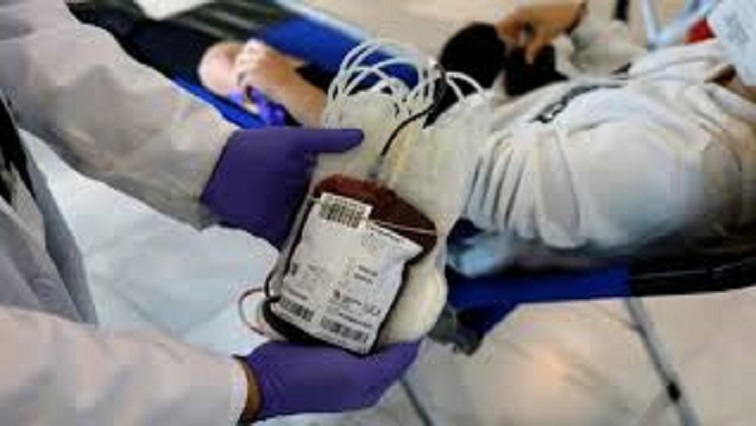
Ahead of World Blood Donor Day this Sunday, June 14, the World Health Organisation (WHO) has revealed that approximately 50% of blood needs across Africa remain unmet, turning treatable medical conditions into life-threatening emergencies.
The severe deficit directly impacts critical healthcare sectors, drastically increasing preventable deaths from postpartum hemorrhage, a leading cause of maternal mortality in the region, as well as delaying emergency trauma care and threatening the survival of children suffering from severe malaria and anaemia.
According to Dr Roland Willy Niyibizi, Technical Officer for Blood Safety at the WHO Regional Office for Africa, the continent’s crisis is driven by low donation rates, which average just six donations per 1 000 people. This shortage is further worsened by infrastructure limitations, such as a lack of reliable electricity to maintain the essential cold chain for blood storage in remote areas, alongside persistent socio-cultural myths and a continued reliance on family or paid donations.
While nations like South Africa and Namibia have successfully boosted their supplies through aggressive public communication and localised donation clinics, the WHO is urging governments across the continent to increase sustainable funding. Healthy individuals between the ages of 18 and 60 are being called upon to become regular, voluntary, unpaid donors, who can safely donate whole blood up to four times a year, to build a secure and equitable blood banking system.
–ChannelAfrica–


