


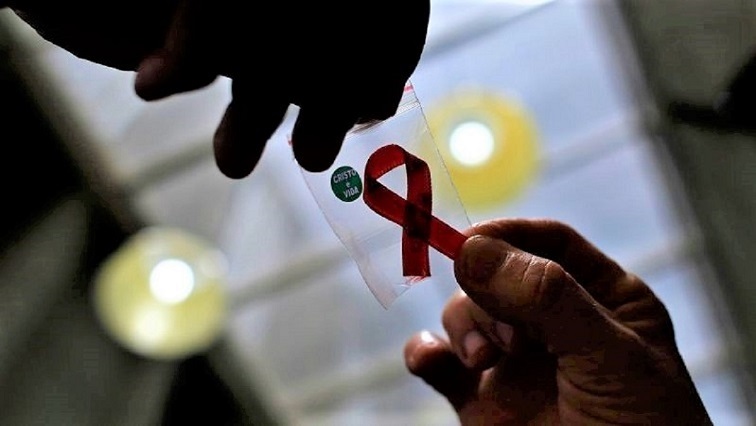
UN Programme on HIV/AIDS (UNAIDS) Executive Director Winnie Byanyima described the situation as the most serious disruption the HIV response has faced in decades.
“There’s no question that this is the most serious disruption in the HIV response since the world came together to fight this disease,” Byanyima said.
The report highlights a combination of factors driving the crisis, including reduced international funding, shrinking civic space and increased criminalisation of vulnerable groups.
“The funding cuts, combined with the reduction in civic space and the further criminalisation of marginalised populations, have come together to create the biggest storm the HIV response has ever seen,” Byanyima said.
Data from the report shows that global development assistance declined by 23% in 2025, the steepest drop on record. This has had a direct impact on HIV programmes, with testing falling by 22% in high-burden settings and funding for condoms reduced by more than 90% in some cases.
Prevention efforts have been particularly affected. Uptake of pre-exposure prophylaxis, a key HIV prevention tool, declined by 38% between 2024 and 2025 across 62 reporting countries.
UNAIDS warned that these setbacks are contributing to continued transmission, especially among vulnerable populations. Each week, around 3 000 adolescent girls and young women in sub-Saharan Africa are newly infected with HIV.
The report also points to a worsening human rights environment, with more countries introducing or strengthening laws that criminalise same-sex relationships and other marginalised groups. This, officials say, is reducing access to services and increasing stigma.
Despite these challenges, the report underscores that progress made over the past 25 years has been significant but remains fragile. AIDS-related deaths have fallen by 56% since 2010, while new infections have declined by 43%. About 78% of the 40.9 million people living with HIV are now receiving treatment.
However, nearly nine million people are still not on treatment, and community-led services are being scaled back. A recent study found a 50% decline in community support services, with even larger drops for key populations.
“We know how to end AIDS,” Byanyima said. “The question now is political: will we invest or will we retreat?”
UNAIDS said that with renewed commitment and funding, the goal of ending AIDS by 2030 remains achievable, but warned that failure to act could reverse decades of progress.
–UN/ChannelAfrica–


