


The journey of fortified biscuits, enough to support around 172 000 students, began in Indonesia and covered more than 15 000 kilometres across land and sea before reaching Kabul. The shipment, part of a $3.5 million contribution from Indonesia, reflects the challenges of delivering aid to a country facing widespread hunger, declining humanitarian funding and ongoing crises.
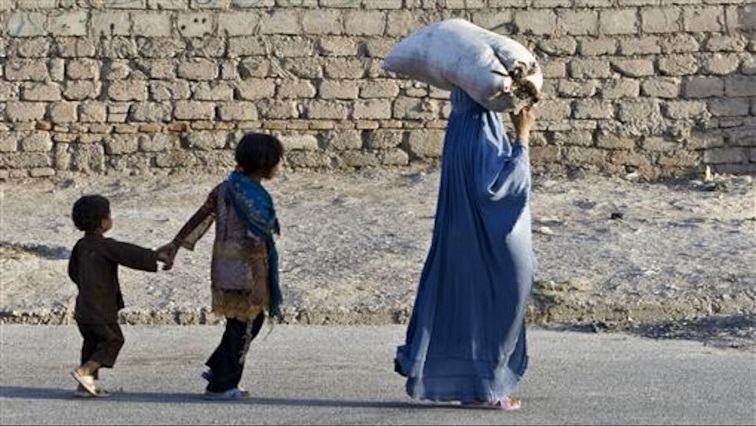
For many Afghan children, the biscuits are a vital source of nutrition. Officials say they are often the most substantial meal students receive in a day.
Initial plans to transport the 397 metric tons of supplies through Pakistan were disrupted when border closures halted overland movement. The cargo was then rerouted via Dubai, with an alternative plan to transit through Iran. However, escalating tensions in the Middle East, including disruptions around the Strait of Hormuz, forced another rethink.
“Hunger doesn’t wait for routes to reopen,” said Corinne Fleischer, Director of WFP Supply Chain and Delivery.
With traditional routes blocked, WFP logisticians developed a new land corridor stretching from Dubai through Saudi Arabia, Jordan, Syria, Türkiye and Georgia, before crossing the Caspian Sea and continuing through Turkmenistan into Afghanistan. The revised route added 8 000 kilometres to the journey and required coordination across multiple borders.
A convoy of 21 trucks undertook the route, facing long delays at border crossings and extensive administrative requirements. Drivers worked extended hours under difficult conditions.
“We drove around 11 hours a day and slept in the truck cabin most nights,” said Turkish Driver Hüseyin Sarraç Ulus. “But it felt good. Knowing the cargo was helping children made me proud.”
The shipment eventually arrived in Kabul, where WFP teams oversaw distribution to schools in provinces including Ghor, Nuristan and Paktika. “There was a feeling of relief when we saw the trucks arrive,” said WFP Supply Chain Officer Abdul Ahad Monib.
The operation highlights the growing logistical challenges facing humanitarian agencies, particularly in regions affected by conflict and instability. Despite these obstacles, WFP said the successful delivery demonstrates its ability to adapt and ensure that aid reaches those in need.
“For the children, it’s a packet of biscuits that helps them stay healthy,” Monib said. “For us, it’s a logistics feat.”
–UN/ChannelAfrica–


