

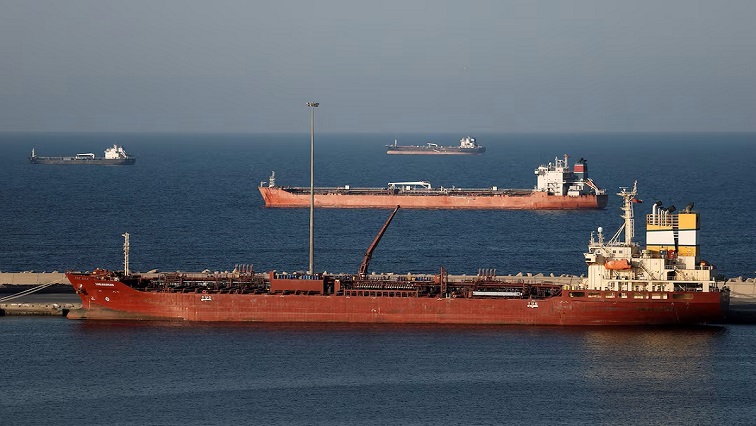
According to emerging details, the proposed agreement would include the lifting of the US blockade on Iran, the reopening of the Strait of Hormuz and the launch of a 60‑day negotiation period focused on Iran’s nuclear activities. Both sides have also indicated an immediate cessation of military operations across multiple fronts.
Professor Emeritus of International, Comparative, and Constitutional Law at the University of South Africa, André Thomashausen, described the reported deal as a major geopolitical development.
“Well, it is a fundamental step in our modern history,” Thomashausen said, pointing to the scale of proposed financial measures, including reported plans for the US to release up to $300 billion to Iran as part of the arrangement.
Speaking to Channel Africa on Monday afternoon, Thomashausen said the agreement reflects a major shift in the balance of power in the region, with implications for the Middle East and beyond.
However, questions remain about the durability of the agreement. US President Donald Trump has reportedly warned that military action could resume if a final agreement on Iran’s nuclear programme is not reached within the proposed timeframe.
Thomashausen said the nuclear issue continues to cast uncertainty over the deal. “That is only one factor that lies over this agreement, like a big black cloud,” Thomashausen said, noting ongoing debates over Iran’s uranium enrichment levels and nuclear capabilities.
Iran, Thomashausen added, maintains that it has the right under international law to develop nuclear energy, though concerns persist among Western powers over potential military applications.
The lifting of sanctions is expected to be a central demand from Tehran in negotiations. “Getting rid of these sanctions… being able to trade freely is, of course, the carrot in these negotiations,” Thomashausen said.
At the same time, regional dynamics remain complex, with neighbouring countries and Israel expressing concern about Iran’s military capabilities, including its ballistic missile programme.
Thomashausen said the success of any agreement will depend on broader regional engagement and sustained diplomatic efforts.
“We can only hope… that there will be a firmer commitment to the cessation of hostility… and that… negotiations will eventually produce a normalisation,” he said.
–ChannelAfrica–





