


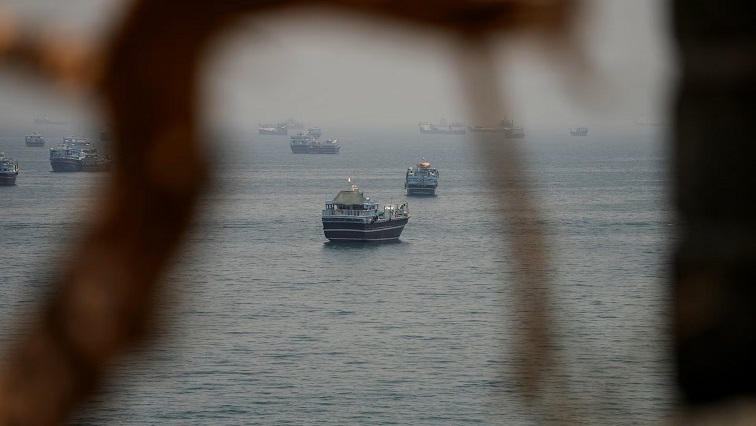
Speaking at the Human Rights Council in Geneva, Deputy UN High Commissioner for Human Rights Awa Dabo said the ongoing blockade and shipping disruptions are severely affecting global supply chains, including energy, aviation and humanitarian aid flows. “Economists warn that unless the Strait is opened, some of the world’s most vulnerable economies could be thrown into chaos, increasing poverty and hunger for millions,” Dabo said.
The crisis follows months of conflict between the United States (US) and Iran, which has led to restricted movement through the strategic waterway. The Strait of Hormuz is a critical route for global energy supplies and agricultural inputs, including fertilisers, which are now in short supply.
Dabo stressed that urgent measures are needed to prevent a worsening humanitarian situation. “At a bare minimum, specialised agencies… must have the resources needed to prevent the projected global food security crisis,” Dabo said.
The warning comes as representatives from the US and Iran prepare to sign a reported peace agreement aimed at ending more than 100 days of conflict. The deal is expected to include the reopening of the strait and a broader ceasefire framework.
At the same session, United Arab Emirates Permanent Representative Jamal Al Musharakh highlighted the intensity of the conflict, saying his country had faced over 3 000 missile and drone attacks since late February.
Meanwhile, Iranian Ambassador Ali Bahreini defended his country’s actions, stating that Iran had exercised its right to self-defence under international law. “If Iran ultimately accepted the ceasefire… it did so out of a profound sense of responsibility toward regional peace and collective security,” Bahreini said.
UN High Commissioner for Human Rights Volker Türk welcomed the reported peace agreement but cautioned that the situation remains uncertain. “At this fragile moment, all sides need to exercise maximum restraint and work to consolidate the ceasefire,” Türk said.
Türk also raised concerns about the human toll of the conflict, noting reports of thousands of civilian deaths and the destruction of critical infrastructure, including schools and hospitals.
The UN said the reopening of the Strait of Hormuz is essential not only for stabilising global energy markets but also for restoring humanitarian supply routes and preventing further economic shock, particularly in vulnerable countries.
The International Maritime Organisation also welcomed the potential reopening, describing it as “an important step toward restoring safety” in one of the world’s most vital shipping corridors.
–UN/ChannelAfrica–


