

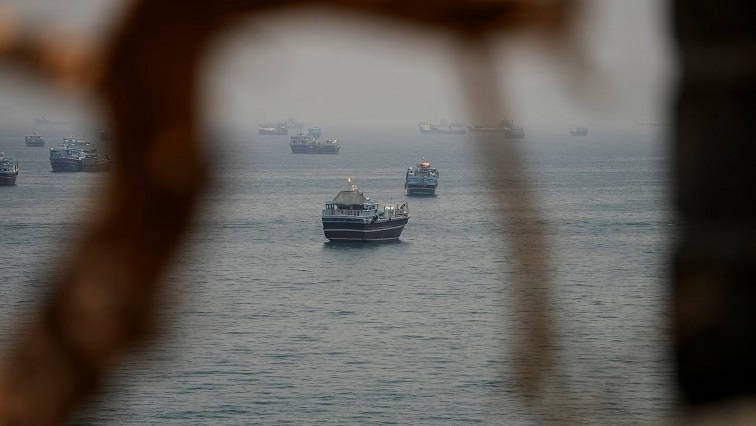
The developments come as G7 leaders meet in France, with the agreement expected to include sanctions relief for Iran, a ceasefire and the reopening of the Strait of Hormuz, a key global energy corridor.
Senior Researcher at the University of Johannesburg and South African Research Chairperson on African Diplomacy and Foreign Policy, Dr Mikatekiso Kubayi, on Monday, said details of the deal remain limited, with only preliminary elements emerging so far.
“There’s very little… in terms of what the final draft document actually articulates, except little snippets… that include sanctions relief,” Kubayi said.
Kubayi said the agreement appears to include a cessation of hostilities and broader regional measures, but cautioned that clarity will depend on the final text expected following formal signing.
The nuclear issue remains central to negotiations, with Iran maintaining its longstanding position on sovereign rights. “There’s a sovereignty issue… Iran has been saying… we have every right to… generate power using nuclear technology,” Kubayi said.
Kubayi noted that tensions persist over uranium enrichment levels, which continue to raise concerns among Western powers about potential military applications. “There’s also this counter… that you are literally very close to weapons-grade enrichment… and that makes everyone nervous,” Kubayi said.
Despite these challenges, Kubayi said the deal could deliver immediate economic benefits, particularly through sanctions relief. “Huge. I mean immediately… that means a lot of revenue flowing into Iran,” Kubayi said.
Kubayi said access to international markets could accelerate Iran’s economic development, including infrastructure, education and technology investment.
The reopening of the Strait of Hormuz is expected to have a direct impact on global oil markets. “So far… there’s a drop in the price of oil… which is actually quite welcomed by… the whole world,” Kubayi said.
Kubayi said lower oil prices could ease inflationary pressures and reduce costs for consumers and economies globally, although a full return to pre-conflict levels remains uncertain. “We might… get back to pre-conflict prices… but I doubt [they will] return exactly to where they were,” Kubayi said.
Kubayi added that increased supply from Iran could further stabilise markets. “With the entry of sanction-free Iranian oil… we might then see… further downward pressure on the price,” Kubayi said.
The agreement is also expected to influence discussions at the G7 summit, although Kubayi said global attention may be more focused on the deal itself. “It is… the major single biggest issue concerning everybody in the world right now,” Kubayi said.
Kubayi said broader economic issues, including debt, climate finance and trade, will remain central to the G7 agenda, particularly for countries outside the grouping. “There are… issues of debt… climate finance… liquidity… those are issues… expected to be put on the agenda,” Kubayi said.
Kubayi said the potential reintegration of Iran into global markets could also feature in discussions, particularly in relation to energy supply chains and global economic stability.
–ChannelAfrica–





