


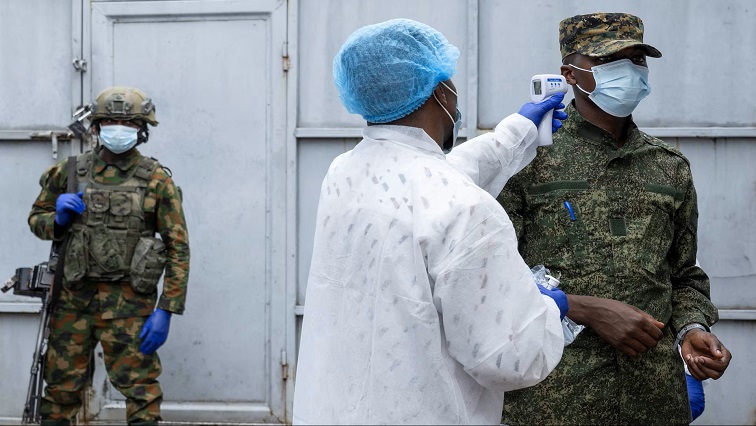
More than a month after the outbreak was declared, the DRC has recorded over 780 confirmed cases and 180 deaths, while Uganda has reported 19 infections, including two fatalities. Despite a significant scale-up in operations, the World Health Organisation (WHO) says the overall response remains insufficient.
WHO Africa Emergency Response Lead Dr Rose Belizaire said the gap between needs and action is still considerable.“On a scale of zero to ten we are at about three or four,” Belizaire said.
Belizaire noted that while capacity has expanded, including around 400 treatment beds and four operational laboratories, the response has yet to match the pace of transmission.
Authorities are now deploying rapid response teams to investigate suspected cases immediately, transferring patients to transit centres before moving confirmed cases to treatment facilities. However, Belizaire stressed that controlling Ebola requires far more than clinical care.
The response is structured around multiple pillars, including surveillance, laboratory testing, infection control, community engagement and psychosocial support. Families and contacts of infected individuals are also receiving food assistance and other support measures aimed at reducing transmission.
Despite strong technical expertise on the ground, Belizaire said resource constraints are limiting effectiveness.“They know what needs to be done what they are missing are the means,” Belizaire said.
The outbreak is also evolving, with women and children now increasingly affected. Belizaire linked this shift to caregiving roles within communities, which often place women at higher risk of exposure.
Cross-border movement between the DRC and Uganda is further complicating containment efforts, with closely linked communities facilitating the spread of the virus. Joint response measures have been introduced, including coordinated border teams and shared treatment facilities.
Belizaire said adapting the response to local realities is critical, emphasising the importance of engaging communities directly. “We have to adapt the response to the real needs of communities,” Belizaire said.
While experience from previous outbreaks has strengthened technical capacity, officials warn that without urgent increases in resources and coordination, efforts may struggle to contain the epidemic.
–WHO/ChannelAfrica–


