


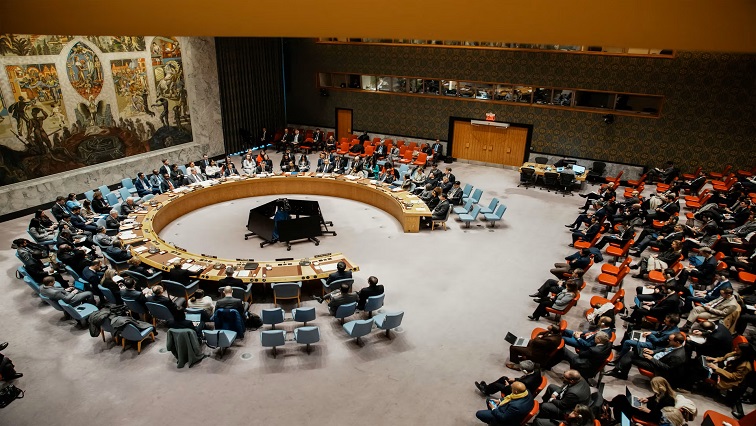
The decision, adopted by the General Assembly on Tuesday following recommendations from its Fifth Committee, comes as the organisation faces a severe liquidity crisis driven by delayed payments of mandatory contributions from Member States.
Under the previous system, the UN was obliged to credit back unspent funds against future assessments regardless of whether the funds had been paid, a practice described as outdated and detrimental to financial stability.
UN Secretary-General António Guterres welcomed the reform, saying the old framework had placed the organisation at risk. “By its vote, the Assembly has agreed to introduce, for a four-year trial period, a new methodology to ensure that unspent funds are returned to Member States only when they are backed by cash,” he said.
He added that the change would allow for more predictable and responsible resource management, particularly for the UN’s regular and peacekeeping budgets.
The reform is seen as critical to maintaining operational continuity, especially for peacekeeping missions, which have faced increasing strain due to funding shortfalls.
The UN ended 2025 with a record $1.6 billion in unpaid contributions, while total arrears across its budgets exceed $6.5 billion. In response, the organisation introduced strict cost-control measures at the start of 2026, including cuts affecting hiring and operations.
Guterres previously warned that Member States must either meet their financial obligations or support structural reforms to prevent a potential financial collapse.
General Assembly President Annalena Baerbock also backed the change, describing the old rule as a longstanding weakness. “With this landmark resolution, the General Assembly avoided the imminent financial collapse of the UN,” she said.
She added that the decision modernises outdated financial practices and demonstrates that Member States can act collectively even amid global divisions.
–UN/ChannelAfrica–


