
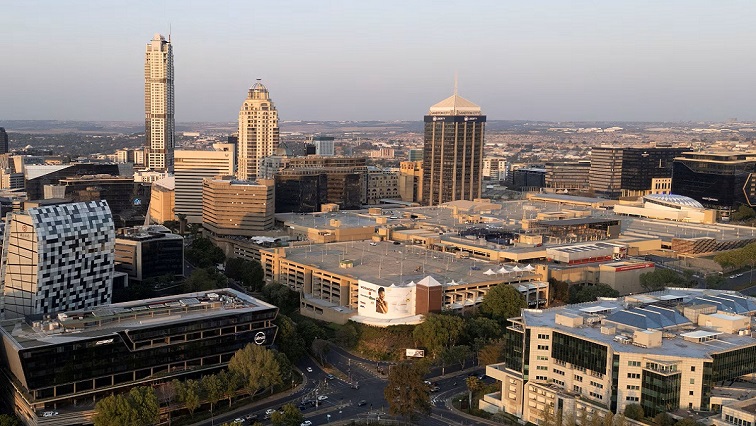
Addressing the inaugural Google Cloud Summit in Johannesburg on July 1, Ramaphosa said the event marked more than a technological gathering, but a defining moment for Africa’s place in the global digital economy. “Cloud computing and artificial intelligence will power the economies of the twenty-first century,” he said, adding that Africa intends not only to participate but to help shape that future.
Ramaphosa said the summit affirms Africa’s growing importance as a key growth region within the global technology ecosystem, noting that the continent is increasingly becoming a hub for innovation rather than merely adopting external technologies.
He pointed to strong demand for cloud solutions and scalable AI across Africa, highlighting that adoption rates in major African businesses are on par with, and in some cases exceed, those in advanced economies.
Ramaphosa described SA as well-positioned to lead this transformation, citing its advanced financial systems, robust legal framework, strong engineering base and growing innovation ecosystem. “SA is an attractive investment destination supported by sophisticated industrial capabilities and a world-class financial sector,” he said.
He added that SA hosts a significant share of Africa’s data centre capacity and serves as a key hub for technology startups, with Cape Town ranked among the continent’s top startup ecosystems.
Ramaphosa said government reforms are aimed at strengthening digital infrastructure, with initiatives such as Operation Vulindlela focused on building a comprehensive digital public infrastructure to support economic growth and service delivery.
He said this infrastructure will enable digitalisation across sectors, support financial inclusion and improve the delivery of services, including healthcare, education and transport.
Ramaphosa outlined a vision in which cloud and AI technologies are applied across the economy, from managing energy systems and improving healthcare to supporting agriculture and climate response. “AI is not simply another technological innovation… it will reshape every industry, every profession and every aspect of public life,” he said.
Ramaphosa also emphasised the importance of ensuring that digital transformation is inclusive, warning against the risk of widening inequality if access to technology is not expanded. “We cannot allow digital poverty to widen the gap between the haves and the have-nots,” he said.
Ramaphosa called for increased investment in human capital, including education, digital skills development and training, to ensure that South Africans are not only consumers of technology but active participants in innovation.
Ramaphosa welcomed partnerships with global technology firms, including Google, and said that new investment commitments made at the summit would support job creation, small-business growth, and competitiveness.
At the same time, he stressed the need for responsible development of digital technologies, including addressing issues related to data protection, sustainability and digital sovereignty. “In the digital age, sovereignty is measured by a nation’s ability to secure its data and develop its own digital capabilities,” he said.
Ramaphosa also called on technology companies to work with governments to build sovereign digital capacity and support long-term development goals.
He concluded by urging collaboration between government, business and civil society to harness the opportunities of the digital era while safeguarding human rights and ensuring broad-based benefits. “Let future generations say that when the opportunity came, Africa chose ambition over hesitation, innovation over imitation and partnership over isolation,” he said.
–ChannelAfrica–





