


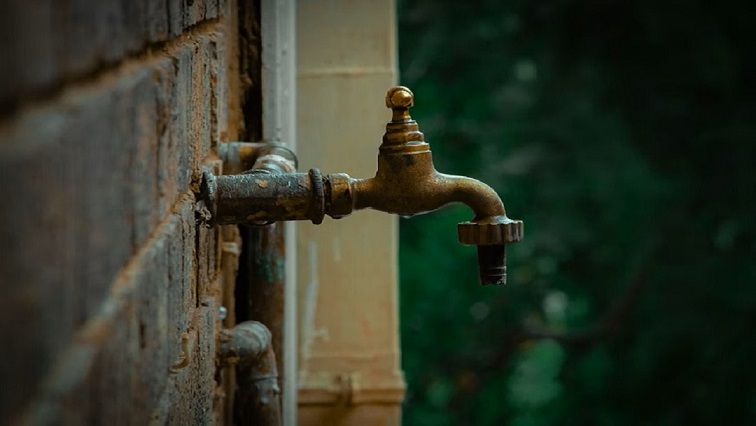
In areas such as Nhlambeni, Manzini South, Mthongwaneni, Mafutseni and Manzini North, residents have long relied on rivers, seasonal springs, rainwater harvesting and water tankers to meet their basic needs. Many households have endured lengthy walks to collect water, while others have shared limited water sources with livestock, creating health and sanitation concerns.
That reality is now set to change through the Manzini Region Water Supply and Sanitation Project, which was launched by the Government of eSwatini in March 2024 with financing from the African Development Bank Group.
The project includes the construction of a modern water treatment plant capable of producing 25 million litres of water per day, supported by transmission pipelines and reservoirs with a storage capacity of 21 million litres. More than 350 kilometres of water distribution networks are being installed, along with up to 14 water kiosks and 20 public sanitation facilities.
The initiative forms part of Eswatini’s broader objective of achieving universal access to water and sanitation by 2030.
According to available figures, access to at least basic drinking water services in eSwatini stands at 80.4%, while access to safely managed drinking water services is only 38.2%. Access to basic sanitation services is 64.5%, compared with 60.8% for safely managed sanitation facilities.
With the project now 92% complete, residents are already seeing improvements. Water supply hours have been extended and water pressure has increased in several areas through the integration of the new and existing supply systems.
Once fully operational later this year, the project is expected to provide reliable and clean water to approximately 35 000 people.
Community members say the impact will go far beyond infrastructure. “We are looking forward to water flowing through our taps 24 hours a day. It has been a long and emotional wait for our community,” said Jabulile Dlamini, an Inner Council Member from Khamatho Chiefdom under Mafutseni Inkhundla.
During an African Development Bank supervision mission in May, residents described the daily challenges they continue to face, including the high cost of purchasing water from tanker deliveries that sometimes arrive only once a week.
Many families also spoke of the burden placed on elderly relatives who still travel long distances to collect water from rivers and other sources. “We are looking forward to having fresh and healthy water,” said Simon Mtsetfwa, an Inner Council Member of Mafutseni Inkhundla.
–AfDB/ChannelAfrica–


