


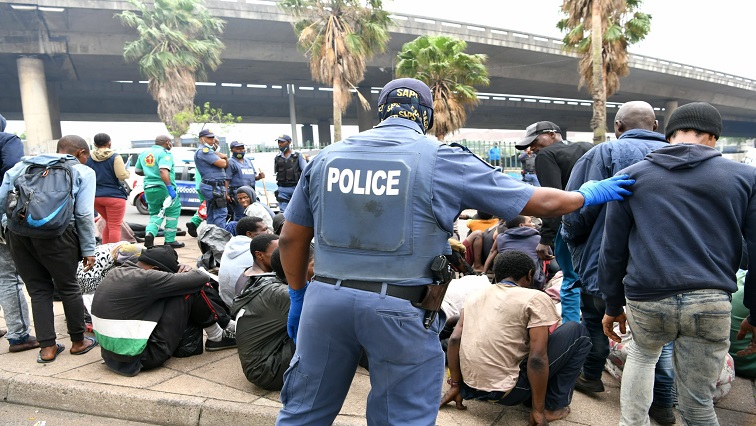
The group has been sheltering outside Malawi’s High Commission in Pretoria and the country’s consular offices while waiting for transport home. Conditions have become increasingly difficult, with many migrants reportedly sleeping outdoors as authorities and aid organisations work to arrange additional buses.
Speaking on the situation on Thursday, Migration and Labour Centre representative Phaskani Msiska said hundreds of Malawian migrants remain stranded at facilities in Pretoria and Johannesburg.
Msiska said the Malawian government, working alongside stakeholders, community groups and donors, has been coordinating efforts to move migrants to a transit camp near Musina before facilitating transport back to Malawi.
However, the number of people seeking assistance has placed significant pressure on available resources. “Our thoughts are with every migrant who remains stranded in SA,” said Msiska, describing the situation as challenging despite ongoing intervention efforts.
According to Msiska, officials from Malawi are closely monitoring developments. Malawi’s Department of Disaster Management Affairs Director General, Owen Mwalweni, has travelled to SA to assess conditions and engage with stakeholders involved in the repatriation process.
While some migrants have questioned delays in receiving assistance, Msiska said the scale of the operation should be considered. “The situation is dire,” said Msiska. “However, those on the ground are doing everything possible. The challenge is that the numbers are overwhelming.”
Progress has been made in recent days, with several buses transporting migrants from Johannesburg back to Malawi. Msiska said some of the transport arrangements have been funded by private donors and community organisations.
One such organisation, the Malawi Diaspora Support Initiative, sponsored two buses to assist with repatriation efforts. Additional support from donors has also helped transport groups of migrants, although demand continues to exceed available capacity.
Msiska said more resources and additional buses are urgently needed to address the growing humanitarian challenge.
Despite concerns raised about the handling of the situation, Msiska stopped short of criticising Malawian consular services. Instead, Msiska said the crisis is likely to provide valuable lessons for future emergency responses involving citizens abroad.
“There are lessons that will be learned from this situation,” said Msiska. “Improvements can be made for future disasters, although everyone hopes that circumstances of this scale do not happen again.”
–ChannelAfrica–


