

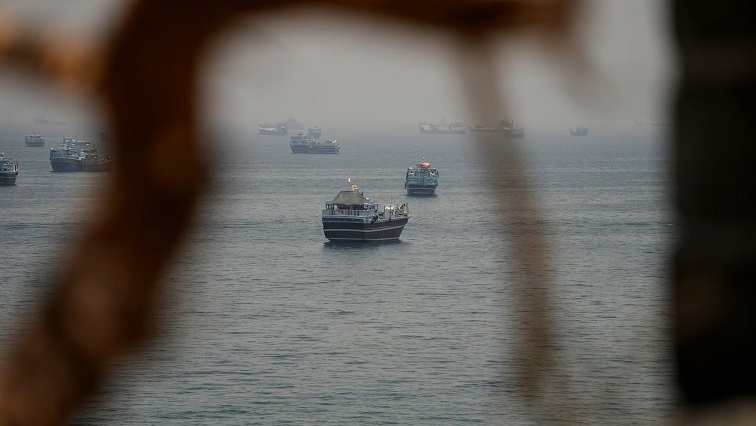
The appeal follows renewed military exchanges in the Gulf region and competing claims by Washington and Tehran over control of the strategic waterway, through which a significant share of global energy supplies normally passes.
The International Maritime Organisation (IMO) on Monday condemned recent attacks on civilian vessels in the Strait of Hormuz and called for an immediate reduction in tensions.
At the conclusion of its 137th Council session, the IMO stressed that international shipping routes must remain open and safe, warning against any actions that could impede freedom of navigation.
The organisation reaffirmed that the right of transit passage through international straits should not be threatened, restricted or suspended. The IMO also emphasised that any measures affecting vessel traffic must comply with international maritime regulations.
Concerns have grown following reports of attacks on commercial vessels and renewed disruptions to maritime traffic in the region. The situation has contributed to rising uncertainty in global shipping and energy markets.
The dispute intensified after US President Donald Trump stated that the Strait of Hormuz would remain open and announced plans to impose a 20% fee on goods moving through the waterway, describing the measure as necessary to provide security.
Iranian Foreign Minister Abbas Araghchi responded by asserting Iran’s own authority over the route and indicating that Tehran could introduce separate charges.
The IMO reiterated that passage through the Strait of Hormuz should remain free from tolls or other charges, in accordance with international maritime law and established conventions governing international navigation.
The organisation has also asked its Secretary-General to work with coastal states, member countries and industry stakeholders to identify measures that support the safe and uninterrupted movement of commercial shipping.
The renewed tensions have already had significant economic consequences.
According to recent assessments, frequent disruptions in the Strait since February have contributed to a sharp increase in commodity prices worldwide. Global energy prices have risen by 24% since the conflict intensified, while fertiliser prices are projected to increase by more than 30% during 2026.
The impact is being felt particularly strongly in developing countries that depend heavily on imported fuel and agricultural inputs.
The UN Conference on Trade and Development has warned that higher energy and transport costs could have lasting effects on economic growth, food security and public finances, particularly across Africa.
The latest escalation comes after UN Secretary-General António Guterres urged the US and Iran to return to negotiations and resolve outstanding disputes through diplomacy.
–UN/ChannelAfrica–





