

In what Kenyan journalist and media analyst Dennis Beru describes as a deliberate and strategic pivot away from traditional Western powers, Burundi is rapidly deepening its economic and diplomatic alignment with Moscow, positioning itself as a key gateway for Russia’s growing footprint in East Africa.
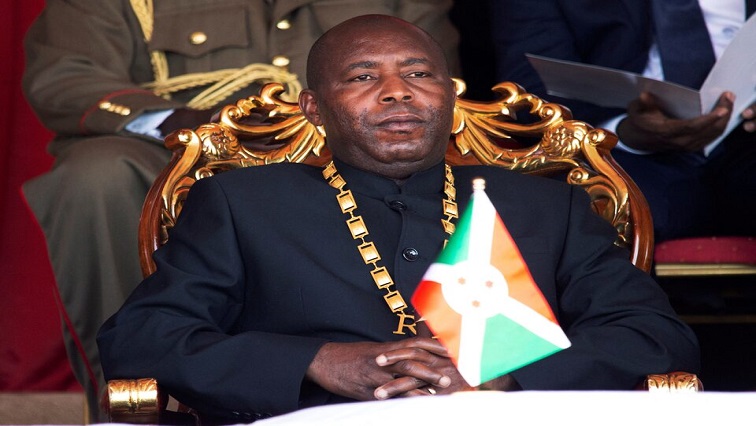
The shift was made clear during high-profile bilateral talks in Bujumbura between Burundi President Évariste Ndayishimiye and Russian Foreign Minister Sergey Lavrov. While traditional headlines focus strictly on generic trade partnerships, Dennis highlights that the real breakthrough lies in the scope of Russia’s targeted economic and infrastructure push. Moscow has pledged substantial investments to unlock Burundi’s untapped mineral wealth, including uranium, nickel, and cobalt, alongside highly strategic agreements to develop hydropower and small modular nuclear power stations with Russia’s state-owned nuclear agency, Rosatom.
For resource-poor, landlocked Burundi, where subsistence agriculture drives half the gross domestic product and employs 90% of the population, these energy and technology transfers offer a critical economic lifeline. The geopolitical implications are equally stark; Ndayishimiye, currently serving as the Chairperson of the African Union, has accepted an invitation from Vladimir Putin to co-chair the upcoming Russia–Africa Summit in Moscow.
Both nations have committed to a unified, close co-ordination at the United Nations, actively using their diplomatic alliance to challenge Western dominance and advocate for a restructured, multilateral world order.
–ChannelAfrica–


