


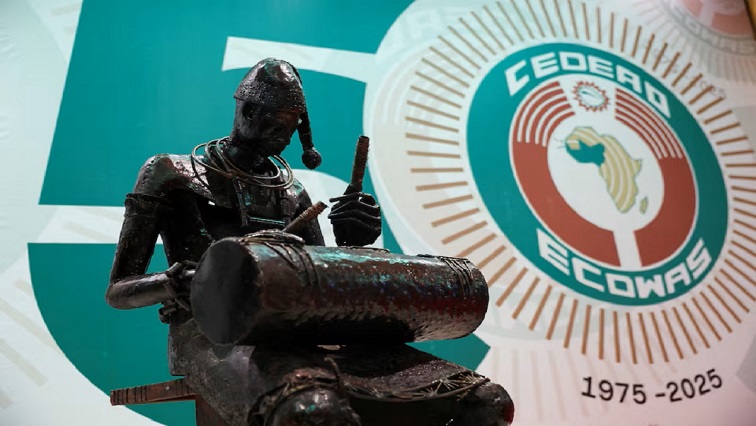
West African leaders approved the framework agreement for the Nigeria-Morocco Atlantic Gas Pipeline at an Economic Community of West African States summit in Freetown, Sierra Leone, paving the way for one of Africa’s largest energy infrastructure projects.
The proposed pipeline will transport natural gas from Nigeria through 13 countries along Africa’s Atlantic coast before connecting to Morocco and eventually linking with Europe’s gas network through the existing Maghreb-Europe pipeline.
Speaking to Channel Africa on Tuesday, Power and Energy Expert Vally Padayachee said the agreement marks a significant milestone despite nearly a decade of negotiations. “I’m actually excited. I’m just waiting for this project to be implemented because it’s going to revolutionise the energy space in the West African part of Africa.”
Padayachee noted that projects of this scale typically require lengthy negotiations because of their complexity and high capital requirements. “That’s the nature of these kinds of projects because they’re capital intensive and asset intensive. They take long.”
According to Padayachee, the project’s significance extends beyond energy exports because reliable energy underpins broader economic development. “It’s going to improve the lives of people because power and energy underpins all sectors.”
Padayachee said the project comes at a time when Europe continues to seek alternative gas supplies following disruptions linked to geopolitical tensions and reduced access to Russian gas.
Under the proposed arrangement, Nigeria’s natural gas reserves will be transported across the Atlantic coastline to Morocco, where supplies can be fed into existing infrastructure connecting North Africa and Europe.
However, Padayachee stressed that the project’s primary benefit should be for African countries along the route. “I understand that 50% of the gas that gets shipped through the pipeline is earmarked for those 13 countries.”
According to Padayachee, this will ensure participating countries can access gas supplies for electricity generation, industrial development, cooking fuel and other economic activities rather than serving solely as transit routes for exports to Europe.
Nigeria is also expected to benefit significantly through increased export revenues. “The revenue stream for Nigeria could be significant, which Nigeria needs.”
Padayachee said strong global oil and gas prices could increase the long-term value of exports once the project becomes operational. “The forex that you would get from Europe through Euros or Dollars would also add to the coffers.”
The project is also expected to generate substantial employment opportunities during both construction and operation. “Power and energy projects are asset-intensive, capital intensive, but they create a lot of job opportunities.”
Padayachee said labour-intensive construction activities could provide employment across multiple countries involved in the project.
Financing remains one of the key challenges, with the project expected to cost between $25 billion and $27 billion.
According to Padayachee, the development is likely to attract funding from a combination of debt and equity investors. “There are many opportunities to tap into the funding.”
Padayachee identified institutions such as the World Bank, the International Monetary Fund, the African Development Bank, European development finance institutions, and private-sector investors as potential funding sources. “There’s enough money for power and energy projects; you just got to make the business case ripe for that investment.”
Padayachee said the connection to European gas markets strengthens the commercial viability of the pipeline and improves its attractiveness to investors.
–ChannelAfrica–


