


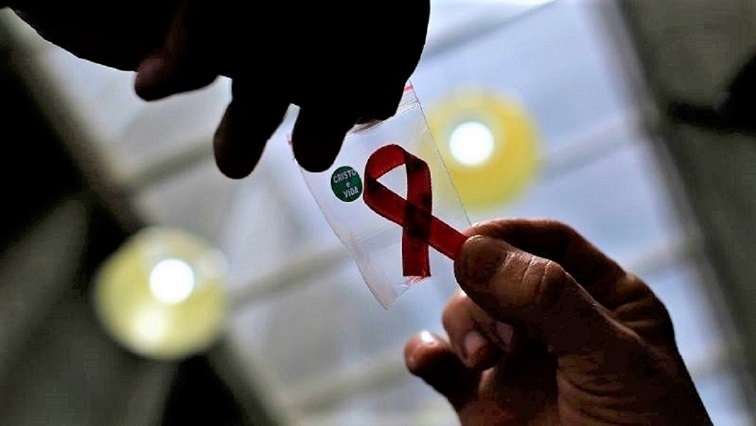
A new UN report released ahead of the 26th International AIDS Conference in Rio de Janeiro, Brazil, warns that progress against HIV remains fragile despite major advances in prevention and treatment.
According to UNAIDS, 1.2 million people acquired HIV in 2025, while 570 000 died from AIDS-related illnesses. About 22% of people living with HIV are still not receiving treatment.
The report says international HIV funding fell by 18% between 2024 and 2025, the steepest decline in nearly 20 years. Global development assistance also fell by 23% last year, placing health programmes under growing pressure.
UNAIDS warned that the world could see a resurgence of the epidemic unless financing is restored and new prevention tools are made widely available.
The report says the current moment is marked by a sharp contradiction. New medicines such as lenacapavir can prevent HIV infection in nearly 100% of cases, but many countries may struggle to access these treatments because of high prices and patent restrictions.
Lenacapavir is a long-acting injectable medicine requiring only two injections a year. UNAIDS estimates that 20 million people need access to antiretroviral-based prevention to reduce new infections significantly.
Brazil, which is hosting the conference, has become a key example of the access challenge. Although Brazil contributed to clinical trials for lenacapavir, the country has not been included in voluntary licensing arrangements that would allow the production of lower-cost generic versions.
Brazilian Interdisciplinary AIDS Association Vice President Variano Terto Jr. said access remains out of reach for many people. “Equitable and universal access remains a distant reality for millions of people because of high prices and the exclusion of many countries from voluntary licensing agreements,” Terto said.
Terto said patents on essential medicines are “reinforcing monopolies and privatisation of public knowledge”.
A study by the Brazilian Interdisciplinary AIDS Association found that Brazil could produce lenacapavir domestically for about $75 per person per year. The patented version costs more than $20 000, a price seen as unsustainable for Brazil’s public health system.
UNAIDS Executive Director Winnie Byanyima said access must determine the value of innovation. “Innovation without access is not innovation; it is injustice,” Byanyima said.
Byanyima called for a new financing model, including sovereign debt restructuring, to allow governments to invest in health systems and HIV prevention.
UNAIDS said HIV infections and AIDS-related deaths are at their lowest levels in more than three decades, but new infections rose in three regions and 21 countries in 2025.
The agency warned that without sustained investment, community-led services, treatment access and affordable prevention tools could weaken, putting millions at renewed risk.
–UN/ChannelAfrica–


