

The appointments, effective from August 1, 2026, to July 31, 2029, were made in terms of the National Council on Gender-Based Violence and Femicide Act of 2024.
The council is a statutory body mandated to provide strategic leadership in efforts to eliminate gender-based violence and femicide (GBVF) in SA.
The body is also responsible for coordinating a multi-sectoral and inter-sectoral approach to implementing the national strategy on GBVF at national, provincial, local, community and other levels.
Ramaphosa appointed seven members to serve on the council. The members are Dr Ramalepe Lebogang Mathibe, Keitumetse Fatimata Moutloatse, Caroline Peters, Dr Zubeda Dangor, Vuyisiwe Numalo, Anele Siswana and TWM Limema.
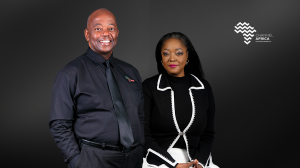
Ramaphosa has designated Mathibe as Chairperson of the council and Welheminah R. “Shoki” Tshabalala as Deputy Chairperson.
The appointments come at the start of Women’s Month and follow the classification of GBVF as a national disaster.
Ramaphosa expects the council to use this classification to intensify national efforts to address the crisis and strengthen coordination across government, civil society and communities.
The council is expected to focus on challenging harmful social attitudes and practices that contribute to violence against women, children and other vulnerable groups.
The council will also be expected to advance women’s economic empowerment, strengthen law enforcement responses and expand survivor-centred support services.
GBVF remains one of SA’s most serious social challenges, with government and civil society repeatedly calling for stronger prevention, accountability and victim-support measures.
The establishment of the council is intended to improve coordination and ensure that implementation of anti-GBVF programmes is monitored across all levels of society.
The council will also play a key role in supporting the national strategy aimed at preventing violence, improving justice outcomes and ensuring survivors receive timely and appropriate assistance.
–ChannelAfrica–


