

South Africa (SA) and neighbouring Namibia are seeing their economic fortunes dramatically diverge in the shared offshore Orange Basin, as regulatory hurdles and legal challenges continue to stall SA’s exploration efforts while Namibia fast-tracks toward becoming a major global oil producer.
The Orange Basin, a vast geological formation spanning the maritime border of both Southern African nations, has emerged as one of the world’s most promising deepwater frontiers. However, the contrast in how both countries are handling its development has created a stark divide for international energy investors.
In Namibia, major energy firms, including TotalEnergies and Shell, have reported a string of high-profile discoveries since 2022, including the Venus and Mopane fields. The Namibian government has established a streamlined licensing framework, paving the way for initial production from TotalEnergies’ Venus project to reach up to 150 000 barrels per day by 2030. Industry analysts at Rystad Energy and Wood Mackenzie project that these deepwater fields will fundamentally transform Namibia’s national economy through substantial foreign investment, tax revenue, and employment opportunities.
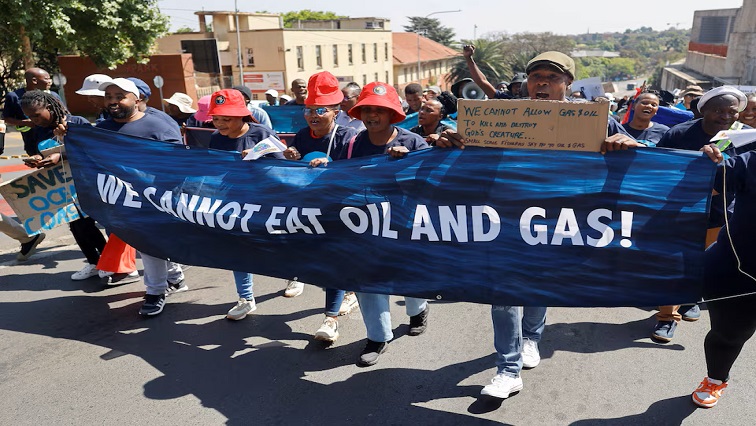
By contrast, SA’s side of the basin remains severely bogged down. Exploration operators along SA’s western coastline face approval timelines that can drag on for up to five years, alongside continuous litigation from local community groups and environmental organisations concerned over marine ecosystems.
Environmental advocacy groups, such as The Green Connection, have mounted multiple legal challenges against offshore drilling permits, arguing that the environmental risks to marine life and local fishing communities far outweigh the economic promises.
As a result of the ongoing litigation and legal uncertainty in SA, global energy majors are increasingly directing capital northward to Windhoek, where regulatory pathways are clearer and projects move from discovery to development at a far more rapid pace.
While Namibia positions itself as Africa’s newest oil superpower, SA risks missing out on the initial rush of investment in the shared basin unless it can balance environmental compliance with regulatory efficiency.
–Reuters/ChannelAfrica–





