


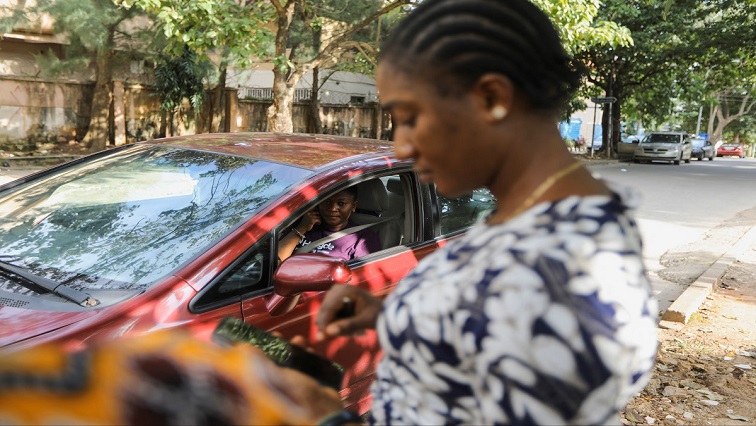
Speaking to Channel Africa, Dzedze said research shows that countries with higher levels of gender equality are less likely to experience conflict and are more likely to have resilient communities. “Research from the World Bank, it actually says that countries that actually have far greater gender equality with high levels of gender equality are less likely to experience conflict. And they tend to have far more resilient communities,” Dzedze said.
Dzedze said financial inclusion should not be viewed only as a women’s business issue, but as a continental development and security priority. “Economic empowerment is really the foundation for peace and security,” Dzedze said.
According to Dzedze, when women control income and assets, household spending shifts towards education, nutrition and wealth creation. “We’re not just talking about funding businesses or women. We are making our continent far more stable and resilient,” Dzedze said.
Dzedze said microfinance remains useful, but African economies need larger-scale funding models that help women-led businesses grow beyond survivalist levels.
Dzedze pointed to the African Women Impact Fund as an example of a platform designed to grow women-owned and women-led fund managers. “We are looking to create a sustainable platform to grow women-owned and women-led fund managers. And that means now women managing money at a macro level,” Dzedze said.
Dzedze said evidence shows that women fund managers are more likely to invest in women-led businesses, creating greater scale and impact. “We want to see more growth happening that will see women making decisions and managing money at a macro level that will drive far more scale and impact than currently is,” Dzedze said.
Beyond finance, Dzedze said women continue to face barriers including limited access to value chains, lack of collateral, patriarchy and restrictions on women’s rights in some markets.
Dzedze said financial power can also help women escape abusive situations. “When women have the financial muscle to be able to look after themselves and their children, they’re able to move themselves from those situations,” Dzedze said.
On implementation, Dzedze said policies alone are not enough. “Policy and everything else doesn’t change lives. They sit on the shelf. It’s actually the implementation that matters,” Dzedze said.
Dzedze called for stronger disclosure, reporting and measurement on how much funding reaches women. “We know that what you measure gets done,” Dzedze said.
Dzedze said commercial banks, development finance institutions, central banks, policymakers, pension funds and other market players need to work from the same evidence base.
Dzedze also cited women farmers in Malawi who formed cooperatives and expanded into commercial farming and exports. “They came together as a co-op, and they were actually able to have the muscle to do far, far more,” Dzedze said.
Ahead of Women’s Month, Dzedze urged action instead of rhetoric. “Let’s move from talking to doing. Women are integral to the success of the continent,” Dzedze said.
Dzedze said women’s full participation could lift Africa’s gross domestic product by 10%.
“Why are we not doing this? So it’s not clear that the numbers are out there. It’s the mindset change, and this is why we’re pushing for disclosure,” Dzedze said.
–ChannelAfrica–


