


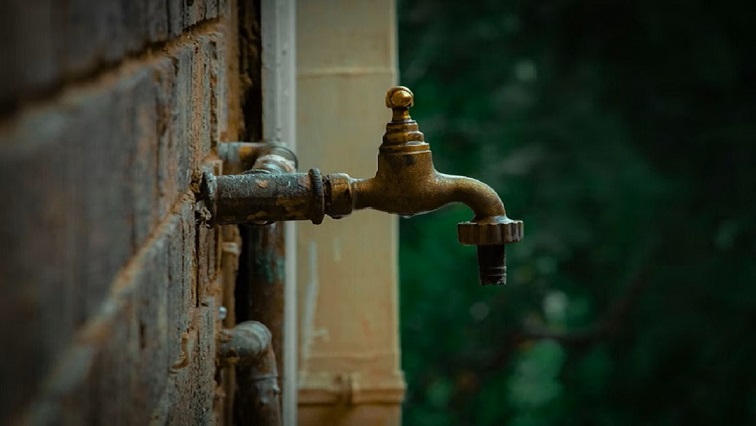
WaterCAN Citizen Science and Training Coordinator Nomsa Daele said SA is facing a severe water crisis driven by water scarcity, climate change, ageing infrastructure, municipal mismanagement and high water losses.
Daele said the situation has become a disaster for many households, while failing wastewater systems are worsening pollution in rivers and dams. “At the moment I would say it’s a disaster because we have people that are staying days without having access to water,” Daele said.
Daele said up to 70% of wastewater treatment plants are failing, resulting in high levels of pollution flowing into water systems. “SA naturally is a water-scarce country. With climate change, it’s placing additional pressure on our water resources. Our infrastructure is ageing as we speak,” Daele said.
President Cyril Ramaphosa recently unveiled the National Water Action Plan to address the root causes of the crisis. The plan includes work by the National Water Crisis Committee, known as WATERCOM, to support municipalities, ring-fence water revenue for infrastructure maintenance and increase investment in bulk water supply and distribution networks.
Daele welcomed the fact that water has been recognised as a national priority, but said the plan largely repeats ideas already contained in previous policies and strategies. “The problem has never been identifying the issue. It has been implementing those solutions,” Daele said.
According to Daele, the plan lacks clear deadlines, measurable milestones and detailed budgets. “Without those clear deadlines and measurable milestones, it becomes very difficult for the public to track progress and hold the government accountable,” Daele said.
Daele said municipalities that consistently fail to provide reliable water services should face consequences, but accountability should also extend to decision-makers in leadership positions. “If leaders repeatedly fail to maintain the infrastructure, manage the budget, and deliver, people are actually paying the price through unreliable water services,” Daele said.
Daele said water tanker contracts and infrastructure vandalism are symptoms of deeper failures, including poor management, inadequate budgeting and failure to maintain water systems.
According to Daele, communities become dependent on water tankers when taps run dry, even though tankers should only be a temporary measure. “That dependence can create opportunities for corruption and has already enabled many people to refer now to this as a growing water mafia where people profit from a crisis that should never have ever existed in the first place,” Daele said.
Daele said South Africans should monitor whether government reduces non-revenue water, fixes leaks and burst pipes, improves municipal performance and repairs infrastructure over the next 12 months.
Daele called for a public implementation plan with deadlines, budgets and regular progress reports so communities and civil society can judge whether the National Water Action Plan is delivering.
–ChannelAfrica–


