

The African Development Bank (AfDB) said West Africa’s growth exceeded the continental average of 4.4% despite insecurity, geopolitical tensions, volatile financial markets and increasing fragmentation of the global economy.
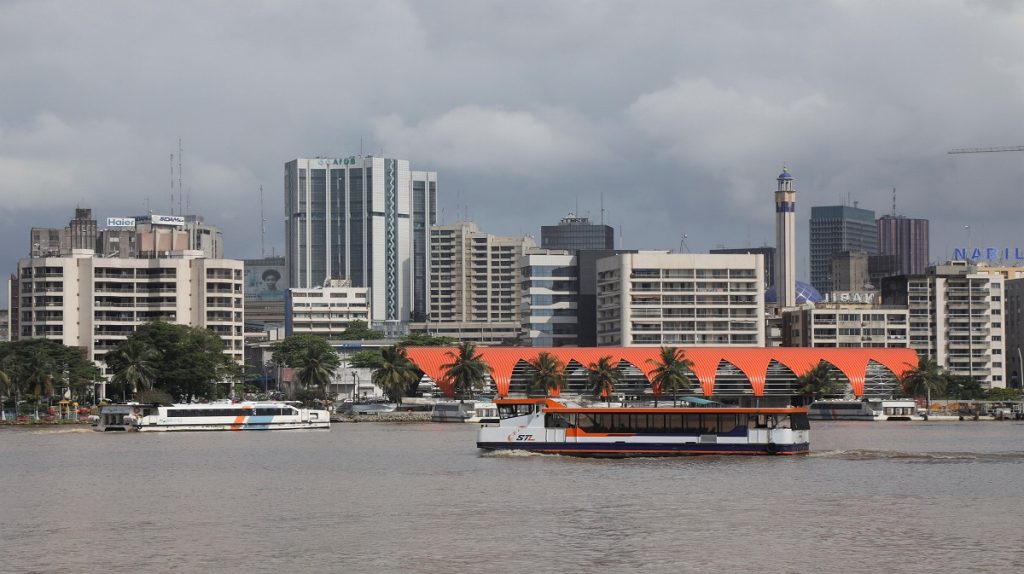
AfDB released the 2026 West Africa Regional Economic Outlook and Côte d’Ivoire Country Focus Report in Abidjan at the end of July.
Regional growth is projected to moderate to 4.6% in 2026, supported by stronger private investment, recovering domestic demand, infrastructure investment and expansion in the oil, gas and mining industries.
However, prolonged geopolitical tensions, persistent inflation, rising public debt vulnerabilities and tighter financing conditions could weaken the outlook.
Côte d’Ivoire, the largest economy in the West African Economic and Monetary Union, was expected to grow by 6.5% in 2025. AfDB said achieving upper-middle-income status by 2030 will require faster industrialisation, stronger private-sector development and expanded fiscal capacity.
“Our ambition is not limited to generating growth. It is about transforming that growth into jobs, stronger human capital, higher productivity, and shared prosperity,” Côte d’Ivoire Ministry of Planning and Development Chief of Staff Loesse J Esso said.
Esso said mobilising public and private resources at scale would support implementation of Côte d’Ivoire’s 2026-2030 National Development Plan.
The reports estimate that West Africa faces an annual development financing gap of between $90 billion and $100 billion. However, AfDB said the challenge stems less from a complete lack of capital than from fragmented and underused financial resources.
“West Africa’s challenge is not simply the volume of resources available to finance development,” AfDB Deputy Director General for West Africa and Country Manager for Côte d’Ivoire Joseph Ribeiro said.
“The challenge is how those resources are mobilised and deployed to transformative investments that create jobs, strengthen resilience and improve livelihoods.”
West Africa’s average tax-to-gross domestic product ratio stood at 9.9% over the past five years, well below the 20% regional convergence benchmark.
AfDB recommended broadening the tax base, formalising informal economic activity, improving natural-resource revenue management and directing pension and insurance assets towards long-term productive investments.
AfDB Lead Economist for West Africa Marcellin Ndong Ntah said countries can generate more financing by improving taxation, public investment efficiency and financial intermediation.
The reports also called for deeper regional capital markets, stronger payment systems and greater mobilisation of domestic savings through institutions such as the West African Regional Stock Exchange.
AfDB said these reforms could strengthen West Africa’s financial sovereignty and help convert existing capital into inclusive growth, jobs and structural transformation.
–AfDB/ChannelAfrica–





