

The United Nations (UN) said aid operations in the West Bank are increasingly being hampered by more than 900 physical obstacles, including checkpoints, gates, roadblocks and other movement restrictions.
UN Associate Spokesperson Daniela Gross told journalists that humanitarian partners are struggling to reach communities in need because of the growing network of access barriers.
A particular concern is the situation in Qusra village near Nablus, where three Palestinian families remain trapped after the establishment of a settlement near their homes and tighter access restrictions in the area.
The UN Human Rights Office has previously warned that “time is running out” before the families face the risk of forced displacement.
Gross said humanitarian agencies and municipal workers have been attempting to deliver food, water, infant formula, medicine and hygiene supplies to the families but have so far been unsuccessful. “Our colleagues warn that efforts to protect Palestinians have been ineffective, with settlers reportedly reinstalling a tent that Israeli forces had dismantled yesterday,” Gross said.
The humanitarian situation in the northern West Bank remains particularly severe.
Since January, aid agencies have provided psychosocial support, case management services, assistance for children with disabilities and other essential services to affected communities.
According to the UN, nearly 30 000 children and 15 000 adults have received support in the northern West Bank during this period.
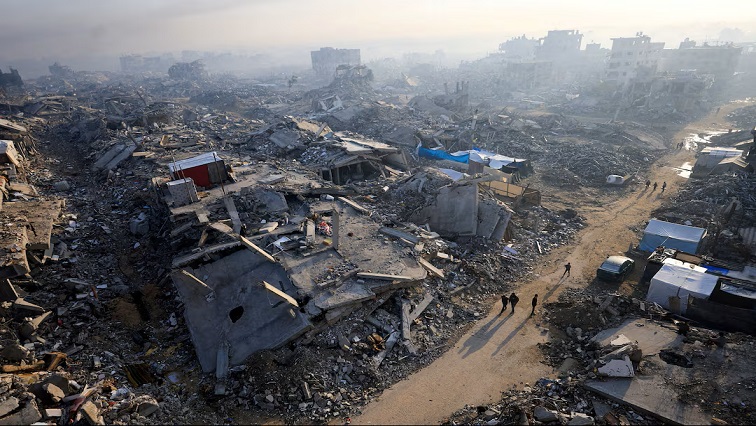
In Gaza, humanitarian organisations continue to operate despite ongoing insecurity and access constraints.
The UN said emergency teams responded last week to households displaced by attacks, fires and other incidents. More than a dozen attack-related incidents affected nearly 290 households, while additional families were displaced by domestic fires in overcrowded shelters.
Humanitarian agencies also reported that five households were affected by the placement of new yellow cement blocks, which often indicate expanding restricted-access zones and can trigger further displacement.
Most requests for assistance came from northern Gaza and Deir al-Balah, where aid teams tailored support according to specific family needs.
Despite the challenges, aid partners continue to support education initiatives. More than 300 000 children in Gaza were participating in summer learning programmes as of last week.
To help children cope with extreme summer temperatures, humanitarian organisations have also installed shade structures at 10 temporary learning sites across the territory.
The UN said humanitarian workers remain committed to delivering assistance but warned that access restrictions and insecurity continue to impede efforts to reach some of the most vulnerable communities in the occupied territory.
–UN/ChannelAfrica–





