

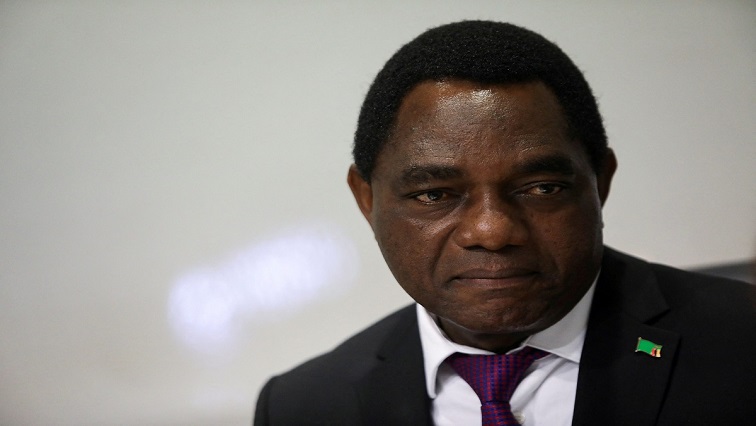
According to figures released by the Electoral Commission of Zambia, Hichilema has maintained a significant advantage over rivals as counting continues following the August 13 general election.
National Reconciliation Party for Unity and Progress candidate Brian Mundubile remains in second place as votes are tallied across the country.
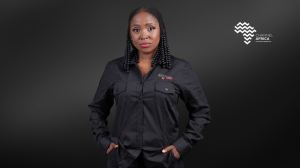
Public Policy, Governance and Development Specialist Dr Albanie Marcossy said Hichilema entered the election as the favourite because of economic reforms and development initiatives implemented during the current administration. “Hichilema had been at the forefront fighting for not only the rule of law and democracy, but also local development and resource mobilisation for internal use,” Marcossy said.
Marcossy said Zambia has experienced improvements in economic growth and development programmes during Hichilema’s tenure. “Hichilema has shown practically how to manage these conflicting ways of development, resource use and management, and the needs of the people in Zambia,” Marcossy said.
Marcossy also credited Hichilema with strengthening relations with neighbouring countries, helping to attract investment and expand regional trade opportunities.
However, concerns have emerged over the integrity of the electoral process, with opposition parties questioning aspects of the vote-counting process.
Marcossy acknowledged the concerns and said confidence in the election outcome would depend on the credibility and transparency of the remaining count. “There have been a number of intransparent processes and mismanagement of ballot papers along the electoral process,” Marcossy said.
Marcossy stressed that all stakeholders must have confidence in the final outcome. “That does not rule out the fact that the processes that are due to complete this situation have to be trustworthy to all parties involved,” Marcossy said.
Marcossy said regional relationships remain vital for Zambia because the country is landlocked and relies heavily on neighbouring states for trade access and economic growth. “Zambia needs its neighbours, especially cultivating good relations that could make it work profitably and efficiently with neighbouring countries,” Marcossy said.
–ChannelAfrica–


